English-Speaking, U.S.-Trained Dental Care in Jongno-gu, Seoul | +82 2-735-2859
en-US

Wisdom Teeth Removal
Wisdom Teeth Removal in Jongno-gu, Seoul treats impacted or infected third molars to prevent pain, swelling, and damage to nearby teeth.

Wisdom Teeth Removal
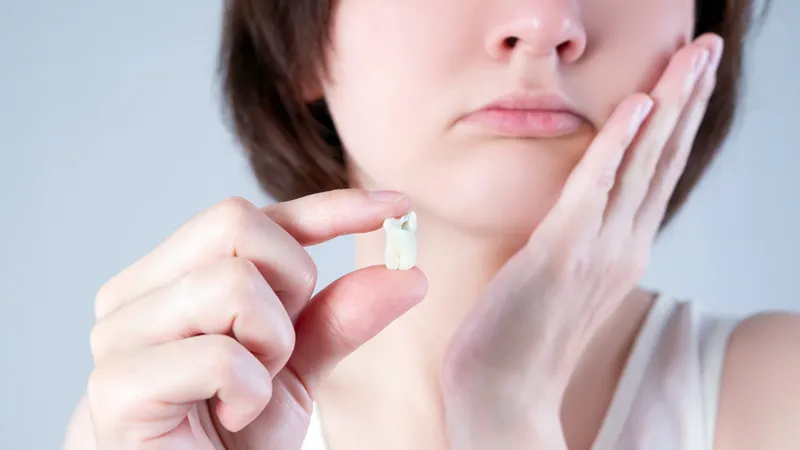
Wisdom teeth, also known as third molars, are the last permanent teeth to erupt. They typically appear in late adolescence or early adulthood. While some individuals experience normal eruption without complications, many patients develop problems due to limited space in the jaw. In such cases, Wisdom Teeth Removal may be recommended to prevent infection, structural damage, and long-term oral health complications.
At New York S Dental Clinic, located in Jongno-gu, Seoul, wisdom tooth evaluation is guided by structured clinical examination and radiographic imaging. Treatment decisions are based on anatomical position, symptoms, and overall oral health considerations.
What Are Wisdom Teeth?
Wisdom teeth are the third set of molars located at the back of the mouth. Most adults have up to four wisdom teeth—one in each quadrant.
Because they erupt later than other permanent teeth, available space in the jaw may be limited. This lack of space often leads to:
Partial eruption
Impaction (failure to erupt fully)
Angled growth
Gum inflammation
Not all wisdom teeth require removal. Careful evaluation determines whether monitoring or surgical extraction is appropriate.
Why Wisdom Teeth Cause Problems
When wisdom teeth do not erupt properly, several complications may occur:
1. Impaction
An impacted wisdom tooth remains trapped beneath the gum or bone due to insufficient space.
2. Pericoronitis
Partial eruption can create a flap of gum tissue that traps bacteria, leading to inflammation and infection.
3. Adjacent Tooth Damage
Angled wisdom teeth may press against second molars, increasing the risk of decay or bone loss.
4. Cyst Formation
In rare cases, fluid-filled sacs may develop around impacted teeth.
Early diagnosis helps prevent progression to more complex conditions.
Symptoms That May Indicate the Need for Removal
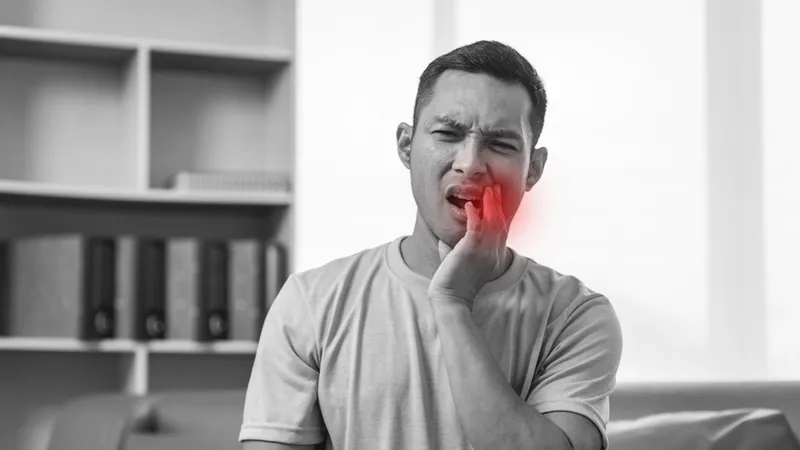
Patients experiencing the following symptoms may require evaluation for Wisdom Teeth Removal:
Pain in the back of the jaw
Swelling or redness around the gum
Difficulty opening the mouth
Recurrent infection
Bad breath associated with inflammation
Food trapping in partially erupted areas
However, some impacted wisdom teeth remain asymptomatic. Radiographic evaluation is often necessary for accurate assessment.
Diagnostic Evaluation
At New York S Dental Clinic, evaluation includes:
Clinical oral examination
Assessment of gum health
Bite (occlusal) analysis
Radiographic imaging (X-rays)
Radiographs help determine:
Position and angulation
Proximity to adjacent teeth
Relationship to nerve structures
Bone coverage
Accurate imaging ensures safe treatment planning.
When Is Wisdom Teeth Removal Recommended?
Removal may be advised when:
Recurrent infection occurs
Decay affects adjacent molars
Cyst formation is suspected
Impaction threatens bone health
Orthodontic stability is compromised
In some cases, asymptomatic impacted wisdom teeth may be monitored periodically.
Individualized assessment guides decision-making.
Types of Wisdom Teeth Removal
The complexity of extraction depends on the tooth’s position.
1. Simple Extraction
Performed when the tooth has fully erupted and is accessible.
2. Surgical Extraction
Required for impacted or partially erupted teeth. This may involve:
Small incision in the gum
Removal of surrounding bone
Sectioning of the tooth for safe removal
Surgical planning prioritizes protection of surrounding structures.
Step-by-Step Wisdom Teeth Removal Procedure
1. Preoperative Assessment
The dentist reviews medical history and radiographs.
2. Local Anesthesia
Careful anesthesia ensures patient comfort.
3. Tooth Exposure
If impacted, a small incision may be made to access the tooth.
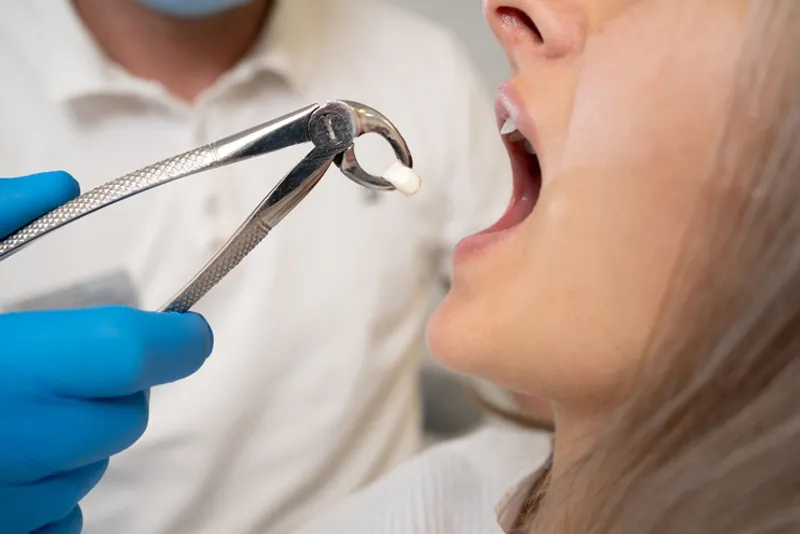
4. Tooth Removal
The tooth is gently loosened and removed. In some cases, it is divided into sections for safer extraction.
5. Site Cleaning
The area is cleaned to remove debris.
6. Suturing (If Necessary)
Sutures may be placed to support healing.
Post-operative instructions are provided to minimize complications.
Recovery After Wisdom Teeth Removal

After extraction, patients may experience:
Mild swelling
Temporary discomfort
Limited mouth opening
Minor bleeding
These symptoms typically improve within several days.
Postoperative care includes:
Gentle rinsing as advised
Avoiding vigorous spitting
Soft diet
Maintaining oral hygiene without disturbing the surgical site
Healing time varies depending on the complexity of extraction.
Potential Risks and Complications
Wisdom teeth removal is generally safe when properly planned. However, potential risks may include:
Temporary swelling
Dry socket (delayed healing)
Temporary numbness in rare cases
Infection if aftercare instructions are not followed
Careful surgical planning and adherence to post-treatment guidance reduce complications.
At New York S Dental Clinic, extraction decisions are made based on clinical necessity and anatomical considerations.
Wisdom Teeth Removal and Long-Term Oral Health
Removing problematic wisdom teeth can help:
Reduce risk of repeated infection
Protect adjacent molars
Maintain gum health
Preserve bone stability
Early intervention may prevent complex surgical procedures later.
Preserving overall oral health is the primary objective.
Monitoring vs. Immediate Removal
Not all wisdom teeth require immediate extraction. In cases where teeth are:
Fully erupted
Properly aligned
Easy to clean
Free of symptoms
Periodic monitoring may be sufficient.
Regular oral examinations ensure early detection of changes.
Wisdom Teeth Removal and Orthodontic Treatment
In some cases, impacted wisdom teeth may contribute to crowding or orthodontic relapse.
Evaluation during orthodontic planning ensures long-term alignment stability.
Removal may be recommended when clinically indicated.
Considerations for International Patients
For patients traveling to Seoul:
Preoperative evaluation may be completed during initial consultation
Surgical extraction can often be performed in a single visit
Adequate recovery time should be planned before travel
Clear communication ensures safe scheduling.
Realistic Expectations
Patients considering Wisdom Teeth Removal should understand:
Mild swelling and discomfort are common
Healing takes several days
Proper aftercare is essential
Removal is recommended only when clinically indicated
Open discussion with the dentist supports informed decision-making.
Conclusion
Wisdom Teeth Removal in Jongno-gu, Seoul is recommended when third molars cause pain, infection, impaction, or risk to adjacent teeth. Through comprehensive evaluation and radiographic imaging, appropriate treatment planning ensures safe and predictable outcomes.
At New York S Dental Clinic, wisdom tooth management focuses on clinical necessity, patient safety, and long-term oral health preservation. Whether through monitoring or surgical extraction, the goal is to prevent complications while maintaining overall dental stability for both local residents and international patients seeking comprehensive care.