English-Speaking, U.S.-Trained Dental Care in Jongno-gu, Seoul | +82 2-735-2859
en-US

TMJ Splint
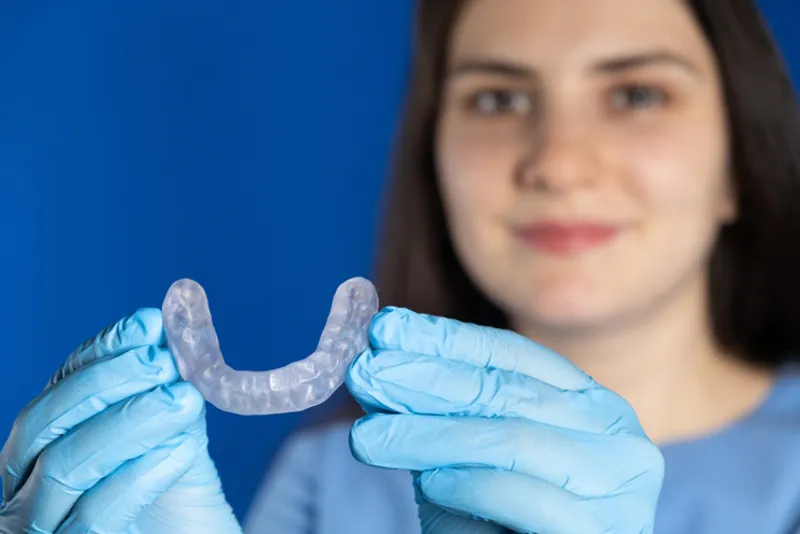
TMJ Splint in Jongno-gu, Seoul stabilizes the bite, reduces jaw clenching, and relieves TMJ pain with a custom occlusal appliance.
TMJ Splint
Jaw pain, clicking sounds, limited mouth opening, and chronic clenching are common symptoms of temporomandibular joint (TMJ) disorders. Because the jaw joint works in coordination with surrounding muscles and the bite (occlusion), imbalance or excessive muscle activity may lead to discomfort and functional limitation. A TMJ Splint, also known as an occlusal stabilization device, is a non-surgical treatment designed to reduce muscle strain, protect teeth, and promote joint stability.
At New York S Dental Clinic, located in Jongno-gu, Seoul, TMJ management begins with detailed diagnostic evaluation. TMJ splint therapy is recommended when muscle overactivity, bite imbalance, or clenching contributes to jaw discomfort.
Understanding the Temporomandibular Joint
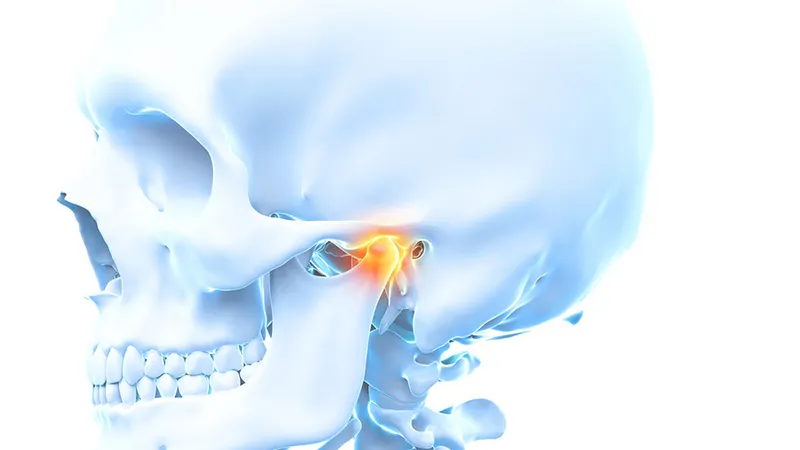
The temporomandibular joint connects the lower jaw (mandible) to the skull and is located near the ears on both sides of the face. Jaw movement involves:
The joint structure
Articular disc
Surrounding ligaments
Chewing muscles (masseter, temporalis, pterygoid muscles)
When excessive force, stress, or misalignment affects these components, symptoms may develop.
Common TMJ disorder symptoms include:
Jaw pain or tenderness
Clicking or popping sounds
Difficulty opening the mouth
Muscle tightness
Headaches related to jaw tension
Accurate evaluation determines whether symptoms originate from muscle overactivity, joint dysfunction, or occlusal imbalance.
What Is a TMJ Splint?
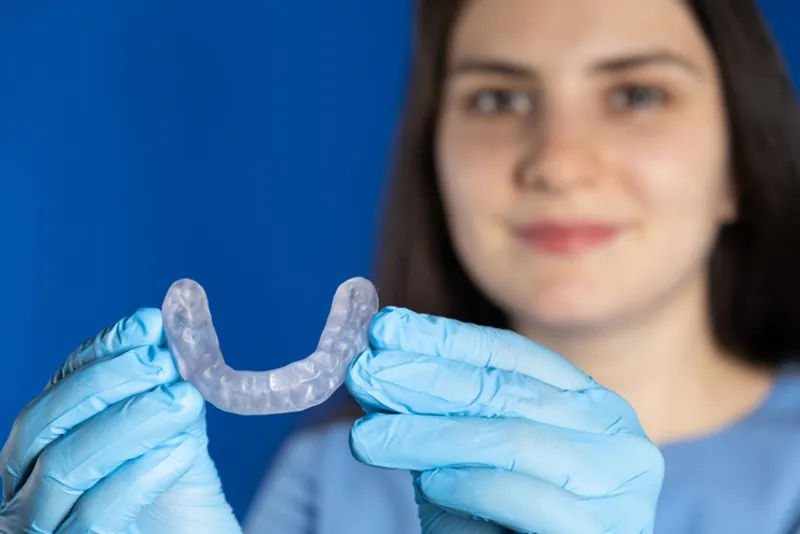
A TMJ Splint is a custom-made oral appliance worn over the teeth, typically during sleep. It is designed to:
Stabilize the bite
Reduce excessive clenching or grinding
Distribute occlusal forces evenly
Decrease muscle tension
Protect teeth from wear
Unlike over-the-counter night guards, a professionally fabricated splint is customized based on detailed bite analysis and jaw evaluation.
When Is TMJ Splint Therapy Recommended?
TMJ splints may be recommended for patients who experience:
Chronic bruxism (teeth grinding)
Jaw muscle fatigue
Clicking or joint sounds
Morning jaw stiffness
Headaches associated with clenching
Tooth wear due to grinding
Before prescribing a splint, a structured examination is necessary to confirm that occlusal stabilization is appropriate.
Diagnostic Evaluation Before TMJ Splint Fabrication
At New York S Dental Clinic, TMJ assessment includes:
1. Detailed History Review
Evaluation of symptoms, stress patterns, and clenching habits.
2. Jaw Movement Analysis
Assessment of:
Maximum mouth opening
Jaw deviation during movement
Pain on palpation of jaw muscles
Joint sounds
3. Bite (Occlusal) Analysis
Examination of how upper and lower teeth contact during chewing.
4. Radiographic Imaging (When Necessary)
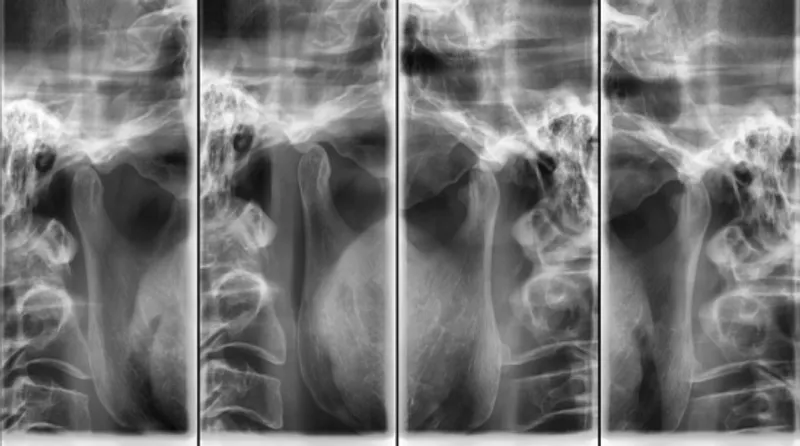
X-rays may be taken to evaluate joint structure and bone condition.
Only after comprehensive evaluation is a TMJ splint recommended.
Types of TMJ Splints
There are different types of occlusal appliances. The most commonly prescribed is the stabilization splint.
Stabilization Splint
Covers either the upper or lower teeth
Provides even contact across surfaces
Reduces muscle hyperactivity
The design is individualized based on occlusal relationship and symptom pattern.
How a TMJ Splint Works
A TMJ splint functions by:
Reducing Muscle Hyperactivity
By altering tooth contact, muscle tension may decrease.Redistributing Bite Forces
Even force distribution reduces strain on specific teeth and muscles.Protecting Enamel
The splint acts as a barrier between upper and lower teeth during grinding.Stabilizing Jaw Position
A balanced occlusal platform promotes joint comfort.
The objective is functional improvement rather than permanent structural change.
Step-by-Step TMJ Splint Fabrication Process
1. Clinical Examination
Comprehensive TMJ evaluation and occlusal analysis are performed.
2. Dental Impressions or Digital Scanning
Accurate models of the teeth are obtained.
3. Custom Fabrication
The splint is fabricated to match the patient’s bite.
4. Fitting and Adjustment
The appliance is adjusted to ensure even contact and comfort.
5. Follow-Up Monitoring
Periodic reassessment ensures optimal fit and symptom improvement.
Customization is essential for effective results.
What to Expect When Wearing a TMJ Splint
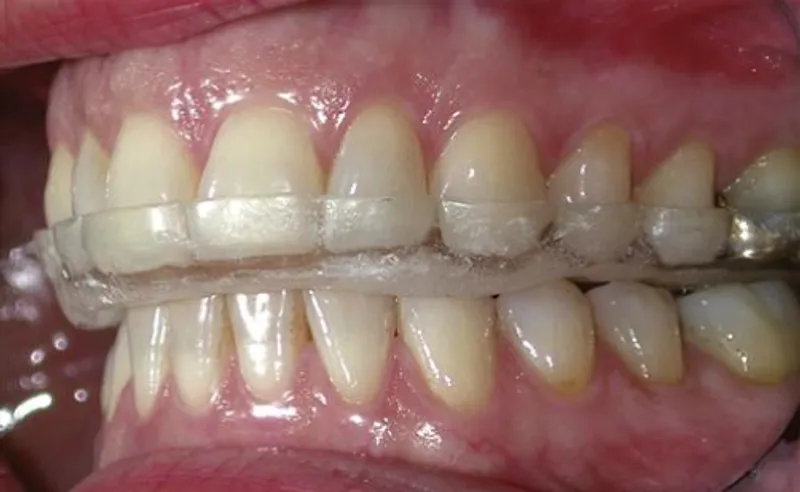
During initial use, patients may notice:
Mild adjustment sensation
Increased awareness of the appliance
Temporary changes in speech
These effects typically subside as adaptation occurs.
Regular use as directed is important for effectiveness.
Benefits of TMJ Splint Therapy

When appropriately prescribed, a TMJ splint may help:
Reduce jaw pain
Decrease nighttime clenching
Protect teeth from wear
Improve jaw function
Reduce tension-related headaches
It is a non-invasive and reversible treatment option.
TMJ Splint vs. TMJ Botox
TMJ management may involve different strategies depending on symptom origin.
TMJ Splint
Addresses occlusal imbalance
Protects teeth from grinding
Stabilizes jaw position
TMJ Botox
Reduces muscle overactivity
Temporarily decreases clenching intensity
In some cases, treatments may be combined based on individual evaluation.
Safety and Clinical Considerations
TMJ splints are generally safe when properly fabricated and monitored.
Potential temporary effects may include:
Mild tooth sensitivity
Jaw muscle adjustment
Appliance discomfort if not properly fitted
Regular follow-up ensures proper function and reduces complications.
At New York S Dental Clinic, splint therapy is guided by individualized planning rather than standardized devices.
Duration of TMJ Splint Therapy
Treatment duration depends on symptom severity and patient response.
Some patients may require:
Nighttime wear only
Temporary therapy during high-stress periods
Long-term stabilization in chronic bruxism cases
Periodic reassessment determines continued necessity.
TMJ Splint and Medical Tourism
For international patients:
Initial evaluation and impression may be completed in one visit
Fabrication requires scheduling considerations
Follow-up adjustments may be necessary
Clear communication supports effective planning for visiting patients.
Realistic Expectations
Patients considering a TMJ Splint should understand:
It reduces symptoms but may not cure underlying structural disorders
Consistent use is essential
Adjustment appointments may be required
Long-term habits such as stress-related clenching should also be addressed
Splint therapy is part of comprehensive TMJ management.
Long-Term TMJ Management
Sustainable improvement often involves:
Stress reduction strategies
Bite monitoring
Preventing excessive clenching
Regular dental evaluations
Early intervention prevents progression to chronic discomfort.
Conclusion
TMJ Splint in Jongno-gu, Seoul is a non-surgical treatment option designed to stabilize the bite, reduce muscle tension, and protect teeth affected by clenching or grinding. Through customized fabrication and careful adjustment, splint therapy supports functional jaw balance and symptom relief.
At New York S Dental Clinic, TMJ management is guided by comprehensive diagnosis, occlusal evaluation, and individualized planning. By addressing muscular and bite-related factors, the clinic focuses on safe and structured care for patients experiencing temporomandibular joint discomfort.