English-Speaking, U.S.-Trained Dental Care in Jongno-gu, Seoul | +82 2-735-2859
en-US

TMJ Botox
TMJ Botox in Jongno-gu, Seoul helps reduce jaw clenching and muscle tension, relieving TMJ pain and improving jaw function safely and effectively.

TMJ Botox
Jaw discomfort, clicking sounds, difficulty opening the mouth, and facial muscle tension are common symptoms of temporomandibular joint (TMJ) disorders. These conditions affect the joint that connects the lower jaw to the skull and the surrounding muscles responsible for chewing and jaw movement. In selected cases, TMJ Botox may be used as part of a structured treatment plan to reduce excessive muscle activity and relieve discomfort.
At New York S Dental Clinic, located in Jongno-gu, Seoul, TMJ management is guided by detailed examination, imaging when necessary, and individualized treatment planning. TMJ Botox is considered when muscle overactivity contributes significantly to symptoms.
Understanding the Temporomandibular Joint (TMJ)
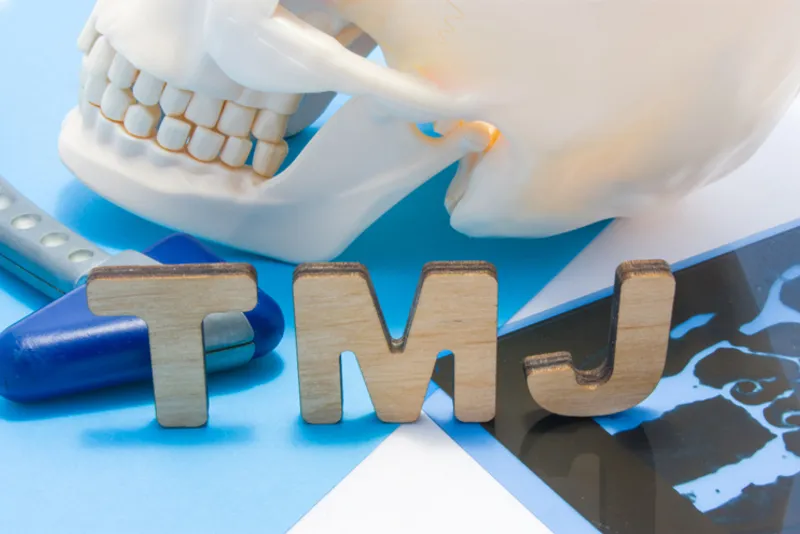
The temporomandibular joint connects the lower jaw (mandible) to the skull. It is located on both sides of the face, near the ears. Jaw movement involves coordination between:
Joint structures
Cartilage and disc components
Ligaments
Surrounding muscles
TMJ disorders may arise when muscles, joint components, or surrounding tissues become inflamed or overworked.
Common symptoms include:
Jaw pain or tenderness
Clicking or popping sounds
Limited mouth opening
Facial muscle tightness
Headaches related to jaw tension
Accurate diagnosis is essential before initiating treatment.
What Is TMJ Botox?
TMJ Botox involves injecting botulinum toxin into specific jaw muscles—most commonly the masseter muscle—to reduce excessive muscle contraction.
Botulinum toxin works by temporarily blocking nerve signals that stimulate muscle activity. This results in:
Reduced muscle tension
Decreased clenching or grinding
Relief of pressure on the joint
TMJ Botox is not a first-line treatment for all TMJ disorders. It is typically considered when muscle hyperactivity is a primary contributing factor.
When Is TMJ Botox Recommended?
TMJ Botox may be considered for patients who experience:
Chronic jaw clenching (bruxism)
Persistent muscle tension
Pain associated with excessive muscle contraction
Limited improvement from conservative therapy
Before recommending TMJ Botox, comprehensive evaluation is conducted to determine whether symptoms are muscle-related or joint-structural in origin.
Diagnostic Evaluation Before TMJ Botox
At New York S Dental Clinic, TMJ assessment includes:
1. Detailed Medical and Dental History
Evaluation of symptoms, stress levels, and habits such as nighttime clenching.
2. Jaw Function Analysis
Assessment of:
Maximum mouth opening
Jaw deviation during movement
Presence of clicking sounds
Pain upon palpation
3. Radiographic Imaging (When Necessary)
X-rays may be taken to assess joint structure and rule out structural abnormalities.
4. Bite (Occlusal) Analysis
Evaluation of how upper and lower teeth contact during chewing.
Only after comprehensive diagnosis is TMJ Botox considered.
How TMJ Botox Works
Botulinum toxin temporarily reduces muscle activity by blocking acetylcholine release at the neuromuscular junction. In the context of TMJ disorders:
Overactive jaw muscles relax
Forceful clenching decreases
Muscle fatigue reduces
Joint pressure may be alleviated
The goal is symptom relief, not permanent structural alteration.
Effects typically last several months before gradual muscle function returns.
TMJ Botox Procedure

1. Pre-Treatment Assessment
The dentist identifies specific muscles contributing to symptoms.
2. Injection Planning
Target areas are mapped, typically including the masseter muscle and occasionally other surrounding muscles.
3. Injection
Small amounts of botulinum toxin are injected into the targeted muscles using fine needles.
4. Post-Treatment Guidance
Patients are advised on normal activities and monitoring of symptoms.
The procedure is generally quick and performed without general anesthesia.
What to Expect After TMJ Botox
After treatment, patients may experience:
Mild injection site tenderness
Gradual reduction in muscle tension over several days
Decreased clenching intensity
Full effect is typically observed within one to two weeks.
Temporary muscle relaxation may reduce jaw discomfort and improve mouth opening.
Duration of Results
The effects of TMJ Botox are temporary. Muscle activity gradually returns as nerve signaling resumes.
Results may last several months, depending on:
Dosage
Individual muscle activity
Severity of clenching habits
Periodic reassessment determines whether repeat treatment is appropriate.
Benefits of TMJ Botox

When appropriately indicated, TMJ Botox may help:
Reduce muscle-related jaw pain
Decrease nighttime clenching
Relieve muscle tension headaches
Improve functional jaw movement
It is important to note that TMJ Botox addresses muscular components, not structural joint damage.
TMJ Botox vs. Other TMJ Treatments
TMJ management may include:
Occlusal stabilization devices (night guards)
Physical therapy
Medication
Behavioral modification
TMJ Botox is typically considered when conservative therapies do not sufficiently control muscle hyperactivity.
Comprehensive evaluation determines the appropriate treatment sequence.
Safety and Clinical Considerations
Botulinum toxin injections are widely used in medical practice. When administered properly, TMJ Botox is generally safe.
Possible temporary side effects may include:
Mild swelling
Localized bruising
Temporary chewing fatigue
Precise injection technique minimizes risk.
At New York S Dental Clinic, TMJ management emphasizes accurate diagnosis and individualized care rather than uniform treatment protocols.
TMJ Botox and Medical Tourism
For international patients visiting Seoul:
TMJ Botox may be performed in a single visit
Follow-up may be conducted remotely
Effects typically develop gradually
Clear communication ensures understanding of expected outcomes and duration.
Realistic Expectations
Patients considering TMJ Botox should understand:
Results are temporary
Repeat treatment may be required
Structural joint disorders may require additional therapy
Comprehensive evaluation is essential
Botox is one component of TMJ management, not a universal solution.
Long-Term TMJ Management
Managing TMJ disorders often involves:
Monitoring jaw function
Stress reduction strategies
Bite stabilization
Preventing excessive clenching
Long-term stability depends on identifying and addressing underlying contributing factors.
Conclusion
TMJ Botox in Jongno-gu, Seoul is used as part of a structured treatment plan for temporomandibular disorders associated with muscle overactivity. By temporarily reducing excessive muscle contraction, it may relieve jaw pain, clenching, and functional discomfort.
At New York S Dental Clinic, TMJ care is guided by comprehensive examination, radiographic assessment when necessary, and individualized planning. Through careful diagnosis and targeted treatment, the clinic supports safe and effective management of muscle-related jaw disorders for both local residents and international patients seeking specialized dental care.