English-Speaking, U.S.-Trained Dental Care in Jongno-gu, Seoul | +82 2-735-2859
en-US

Sinus Lift
Sinus Lift in Jongno-gu, Seoul increases upper jaw bone height for stable dental implants, supporting safe healing and long-term implant success.
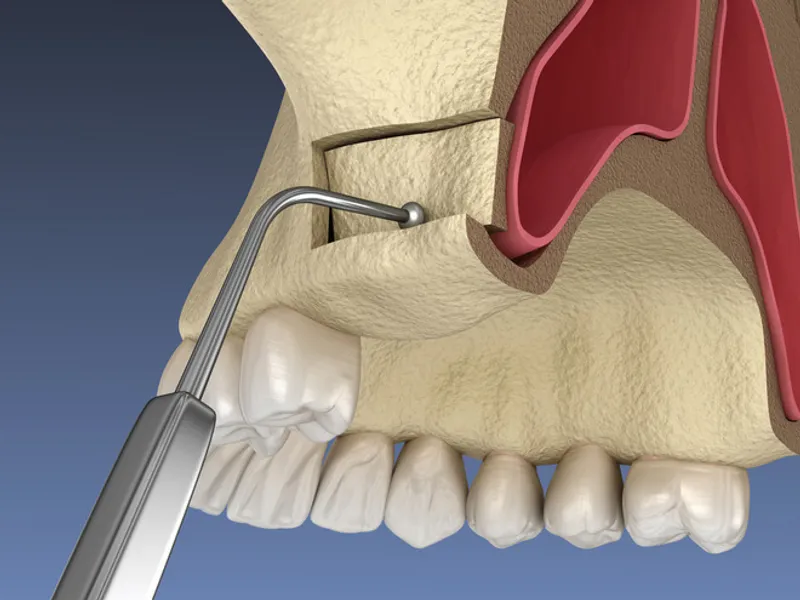
Sinus Lift Procedure
Dental implants in the upper back jaw (posterior maxilla) can be challenging when bone height is insufficient. After tooth loss, the maxillary sinus—an air-filled cavity located above the upper molars—may expand downward, reducing the available bone for implant placement. In such cases, a Sinus Lift, also known as maxillary sinus floor elevation, may be necessary to create a stable foundation for dental implants.
At New York S Dental Clinic, located in Jongno-gu, Seoul, implant therapy is guided by structured diagnosis and preservation-focused planning. A sinus lift is recommended only when radiographic and clinical evaluation confirms inadequate bone height for safe and stable implant placement.
Why Bone Loss Occurs in the Upper Jaw
The upper posterior jaw has unique anatomical characteristics. The roots of upper molars and premolars are located close to the maxillary sinus. When these teeth are extracted or lost due to advanced decay or periodontal disease:
The surrounding alveolar bone begins to resorb
The sinus cavity may gradually expand (sinus pneumatization)
Bone height decreases over time
Without sufficient bone thickness between the oral cavity and sinus floor, placing a dental implant may compromise stability or risk sinus complications.
A Sinus Lift Procedure addresses this limitation by increasing vertical bone height.
What Is a Sinus Lift?
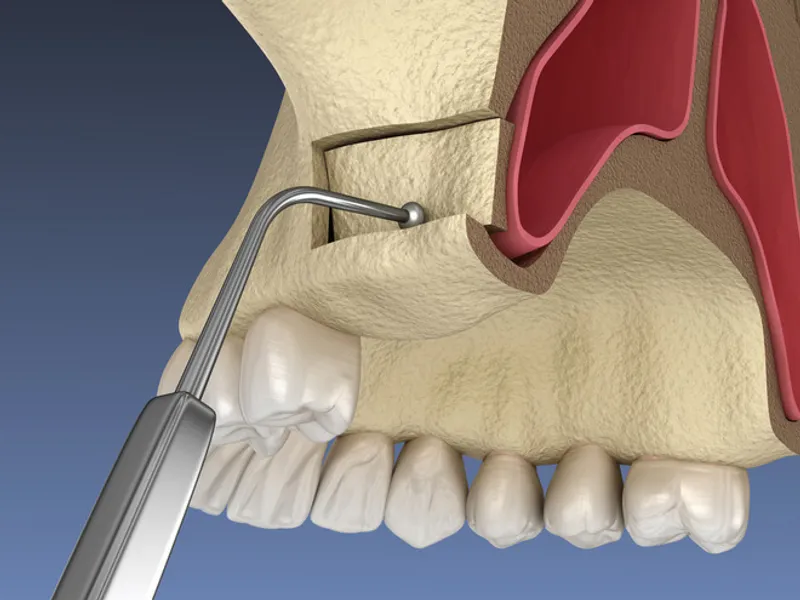
A Sinus Lift is a surgical procedure that gently elevates the sinus membrane and places bone graft material beneath it. This process creates additional bone volume in the upper jaw, allowing for secure implant placement.
The procedure involves:
Accessing the sinus area
Carefully lifting the sinus membrane
Placing bone graft material
Allowing time for bone regeneration
After healing, the newly formed bone supports dental implants with improved stability and long-term predictability.
When Is a Sinus Lift Necessary?
A sinus lift may be recommended when:
Upper molars or premolars are missing
Bone height is insufficient for implant stability
Radiographic imaging shows sinus expansion
Previous tooth loss occurred years earlier
Patients with significant bone loss in the upper jaw often require sinus augmentation before implant therapy.
However, not all upper jaw implant cases require a sinus lift. Careful diagnosis determines whether it is clinically indicated.
Diagnostic Evaluation Before Sinus Lift
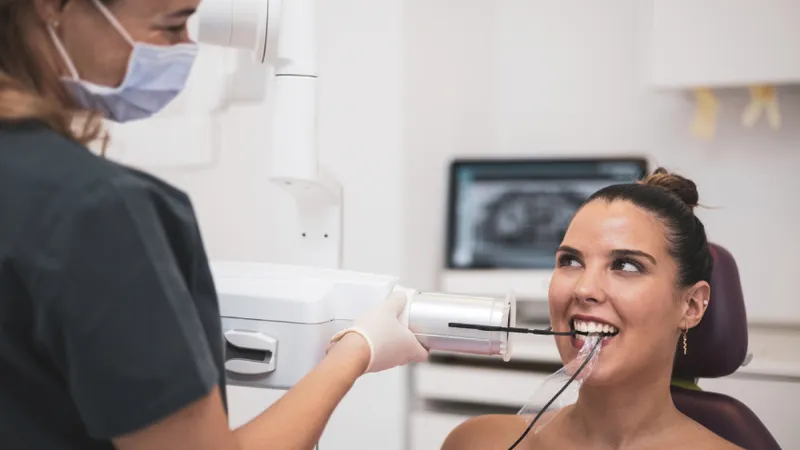
At New York S Dental Clinic, evaluation before a Sinus Lift Procedure includes:
Comprehensive oral examination
Detailed medical history review
Radiographic imaging (X-ray analysis)
Assessment of bone height and sinus anatomy
Evaluation of gum and periodontal health
Accurate imaging is essential to measure the remaining bone thickness and identify anatomical variations.
If active sinus infection or uncontrolled periodontal disease is present, these conditions must be managed before proceeding.
Types of Sinus Lift Techniques
Depending on the amount of remaining bone, two general approaches may be considered:
1. Lateral Window Technique
Used when significant bone height is lacking. A small access window is created on the side of the upper jaw to lift the sinus membrane and place graft material.
2. Transcrestal (Osteotome) Technique
Used when moderate bone height remains. The sinus floor is gently elevated through the implant site itself.
The choice of technique depends on bone measurements and clinical assessment.
Step-by-Step Sinus Lift Procedure
1. Preoperative Planning
A structured treatment plan is created based on diagnostic findings. The amount of graft material required is calculated.
2. Local Anesthesia
Careful anesthesia ensures patient comfort during the procedure.
3. Accessing the Sinus Area
A small opening is created in the upper jaw to reach the sinus membrane.
4. Sinus Membrane Elevation
The membrane lining the sinus cavity is gently lifted upward without perforation.
5. Bone Graft Placement
Bone graft material is placed beneath the elevated membrane to increase vertical bone height.
6. Healing Phase
The graft integrates with natural bone over several months through biological remodeling.
7. Implant Placement
After sufficient bone regeneration, dental implants can be placed securely.
In some cases, implant placement may occur simultaneously if sufficient primary stability is achievable.
Healing and Recovery
Recovery after a Sinus Lift typically includes:
Mild swelling
Temporary sinus pressure
Minor discomfort
Postoperative care instructions often include:
Avoiding forceful nose blowing
Avoiding sneezing with mouth closed
Maintaining oral hygiene
Taking prescribed medications
Bone maturation usually requires several months before implant placement, depending on graft volume and individual healing capacity.
Safety and Clinical Considerations
Although sinus lift surgery is widely performed in implant dentistry, it remains a specialized procedure requiring precision.
Potential risks include:
Sinus membrane perforation
Infection
Graft displacement
Temporary sinus congestion
Proper surgical technique and structured planning significantly reduce these risks.
At New York S Dental Clinic, sinus augmentation is recommended only when diagnostic findings clearly indicate insufficient bone height. Treatment planning emphasizes careful case selection and patient safety.
Importance of Periodontal Health Before Sinus Lift
Healthy gums and infection-free oral tissues are essential before performing a Sinus Lift Procedure.
Active periodontal disease can compromise healing and increase complication risk. If gum inflammation or bone infection is present, periodontal therapy may be required first.
Maintaining long-term oral hygiene is equally important after implant placement.
Benefits of Sinus Lift for Implant Stability

By increasing vertical bone height, a sinus lift allows:
Improved implant anchorage
Better load distribution
Reduced risk of implant failure
Enhanced long-term function
Without adequate bone support, implants in the upper jaw may be unstable. Sinus augmentation creates a stronger biological foundation for predictable outcomes.
Sinus Lift and Medical Tourism Considerations
For international patients seeking implant therapy in Seoul, understanding the staged nature of a Sinus Lift Procedure is important.
Typically:
Surgery is performed during one visit
Healing requires several months
Implant placement may occur in a later stage
In some selected cases, simultaneous implant placement is possible.
Patients traveling for dental treatment should coordinate scheduling carefully to allow adequate healing time.
Realistic Expectations
A sinus lift is a reconstructive procedure designed to enable safe implant placement. Patients should understand:
Healing takes time
Temporary swelling is normal
Implant placement may be delayed
Follow-up visits are necessary
Clear communication ensures that expectations align with clinical realities.
Long-Term Maintenance After Implant Placement
After successful implant restoration following a sinus lift, long-term maintenance includes:
Daily brushing and flossing
Professional dental cleaning
Monitoring sinus and gum health
Avoiding smoking
Peri-implant tissue health plays a major role in implant longevity.
Conclusion
A Sinus Lift in Jongno-gu, Seoul is a specialized bone augmentation procedure that increases upper jaw bone height to support secure dental implant placement. By elevating the sinus membrane and placing graft material, this procedure restores structural stability in cases of significant bone loss.
At New York S Dental Clinic, sinus lift surgery is guided by comprehensive diagnostic evaluation, structured planning, and patient-centered decision-making. The clinic emphasizes evidence-based care and preservation of natural structures to ensure safe, predictable, and long-term implant success in the upper jaw.