English-Speaking, U.S.-Trained Dental Care in Jongno-gu, Seoul | +82 2-735-2859
en-US

Sedation Dentistry
Sedation Dentistry in Jongno-gu, Seoul reduces dental anxiety and improves comfort during procedures with safe, monitored relaxation techniques.
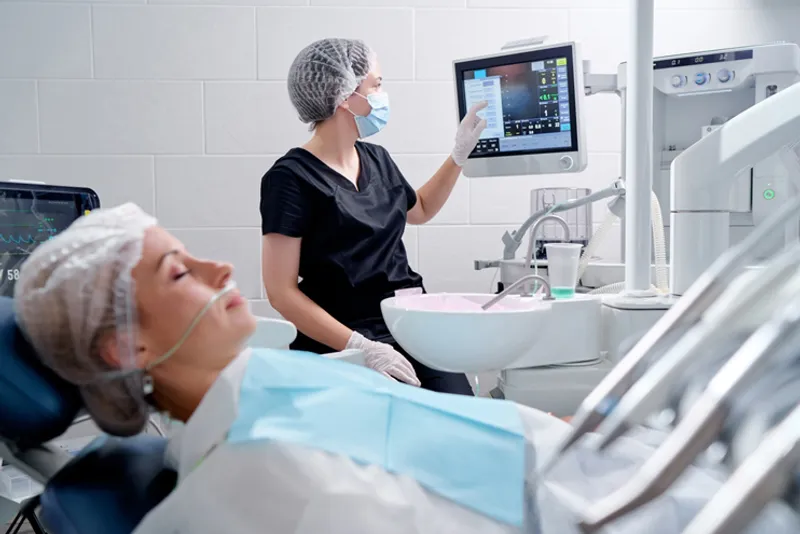
Sedation Dentistry
Dental anxiety, fear of pain, and difficulty tolerating long procedures can prevent patients from seeking necessary treatment. For individuals who experience significant stress during dental visits, Sedation Dentistry may provide a more comfortable treatment experience. Sedation techniques are designed to reduce anxiety and enhance relaxation while allowing dental procedures to be performed safely and effectively.
At New York S Dental Clinic, located in Jongno-gu, Seoul, sedation options are considered based on patient medical history, procedure type, and individual comfort level. The focus is on patient safety, careful evaluation, and structured clinical protocols.
What Is Sedation Dentistry?
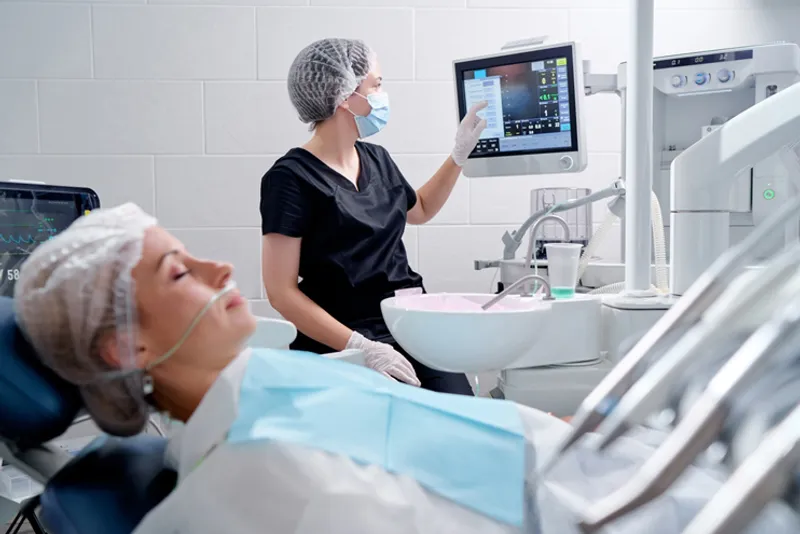
Sedation Dentistry refers to the use of medication to help patients relax during dental procedures. Unlike general anesthesia, most sedation methods used in dental settings allow the patient to remain conscious and responsive.
Sedation may be considered for:
Patients with dental anxiety
Individuals undergoing lengthy procedures
Patients with a strong gag reflex
Those requiring multiple treatments in one visit
Sedation is tailored to the patient’s needs and the complexity of the procedure.
Levels of Sedation in Dentistry
Sedation exists on a spectrum, ranging from mild relaxation to deeper levels of sedation.
1. Minimal Sedation
The patient remains fully awake but feels relaxed.
2. Moderate Sedation
The patient may feel drowsy and less aware of surroundings but can respond to instructions.
3. Deep Sedation
The patient is on the edge of consciousness but can still be awakened if necessary.
The appropriate level depends on medical evaluation and treatment requirements.
Who May Benefit from Sedation Dentistry?
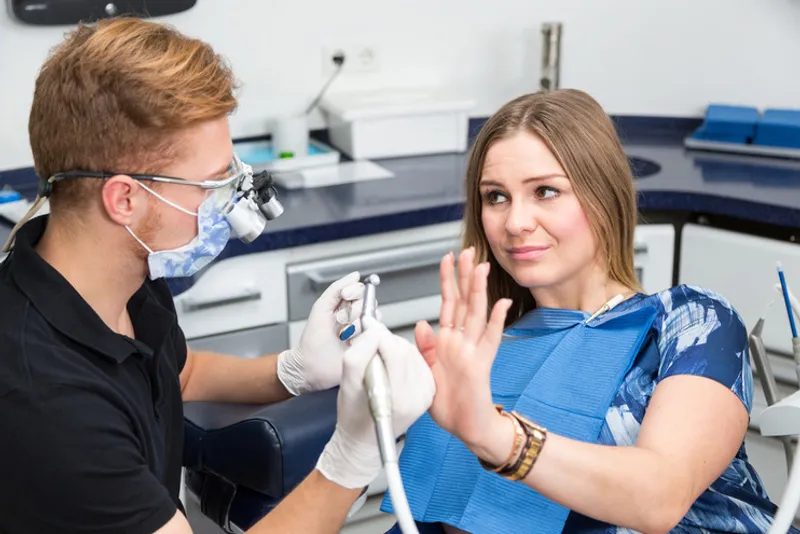
Sedation Dentistry may be appropriate for:
Patients with severe dental fear
Individuals who have delayed treatment due to anxiety
Patients with low pain tolerance
Those requiring surgical procedures such as wisdom teeth removal
Individuals with difficulty sitting still for extended periods
Before recommending sedation, a thorough medical review is conducted.
Diagnostic and Medical Evaluation
At New York S Dental Clinic, sedation consideration includes:
1. Review of Medical History
Assessment of systemic health conditions and medications.
2. Evaluation of Dental Treatment Plan
Determination of procedure length and complexity.
3. Anxiety Assessment
Discussion of patient concerns and previous dental experiences.
4. Risk Assessment
Evaluation of any contraindications to sedation.
Safety and individualized planning are prioritized.
How Sedation Dentistry Works
Sedation medications act on the central nervous system to produce:
Reduced anxiety
Relaxation of muscles
Diminished awareness of discomfort
Enhanced tolerance for procedures
Local anesthesia is still used to numb the treatment area, as sedation primarily addresses anxiety and comfort.
Sedation Dentistry and Common Procedures
Sedation may be used during:
Tooth extractions
Wisdom teeth removal
Root canal treatment
Implant placement
Multiple restorative procedures
It may also benefit patients undergoing TMJ-related procedures when anxiety is present.
Monitoring During Sedation
Patient safety is central to sedation dentistry.
Monitoring may include:
Observation of breathing patterns
Assessment of responsiveness
Monitoring of vital signs when appropriate
Structured protocols ensure patient well-being throughout treatment.
At New York S Dental Clinic, sedation decisions are made carefully and based on individual assessment.
Benefits of Sedation Dentistry
When properly indicated, sedation may:
Reduce dental anxiety
Improve patient cooperation
Allow completion of complex procedures in fewer visits
Minimize stress-related muscle tension
Enhance overall comfort
Sedation can improve access to necessary dental care for anxious patients.
Recovery After Sedation

Recovery depends on the level of sedation used.
Patients may experience:
Temporary drowsiness
Reduced alertness
Mild fatigue
Post-treatment instructions may include:
Avoiding driving for a specified period
Resting at home
Following dietary recommendations
Full recovery typically occurs within several hours, depending on the sedation type.
Safety Considerations
Sedation Dentistry is generally safe when administered under appropriate clinical guidelines.
Potential temporary side effects may include:
Dizziness
Nausea
Mild headache
Careful patient selection and monitoring reduce complications.
Sedation is not recommended for all individuals; medical history evaluation is essential.
Sedation Dentistry and Preventive Care
Patients who avoid dental visits due to anxiety may experience worsening oral conditions.
Sedation may help facilitate:
Necessary restorative care
Scaling and gum treatment
Completion of multiple procedures
Stabilization of advanced conditions
Early access to care reduces long-term complications.
Sedation Dentistry and Medical Tourism
For international patients:
Sedation options may be discussed during consultation
Adequate recovery time before travel is recommended
Clear communication about aftercare is essential
Planning ensures safe coordination with travel schedules.
Realistic Expectations
Patients considering Sedation Dentistry should understand:
Sedation reduces anxiety but does not eliminate the need for local anesthesia
Temporary drowsiness may occur
Medical evaluation determines suitability
Structured monitoring ensures safety
Sedation supports comfort but is not a substitute for comprehensive dental care.
Long-Term Approach to Dental Anxiety
Managing dental anxiety may involve:
Clear communication with the dentist
Gradual exposure to treatment
Stress reduction techniques
Use of sedation when appropriate
Combining psychological comfort with structured care promotes long-term oral health.
Conclusion
Sedation Dentistry in Jongno-gu, Seoul offers a structured approach to improving patient comfort during dental procedures. By reducing anxiety and enhancing relaxation, sedation helps patients receive necessary care without excessive stress.
At New York S Dental Clinic, sedation decisions are guided by thorough medical evaluation and individualized planning. Through careful monitoring and patient-centered care, the clinic supports safe and comfortable dental treatment for both local residents and international patients seeking comprehensive oral health management.