English-Speaking, U.S.-Trained Dental Care in Jongno-gu, Seoul | +82 2-735-2859
en-US

Professional Teeth Whitening
Professional Teeth Whitening in Jongno-gu, Seoul safely brightens stained teeth with light-activated treatment for natural, long-lasting results.
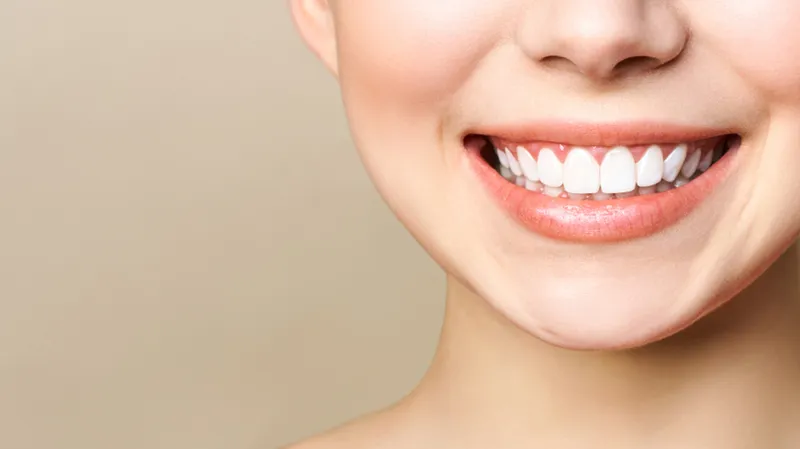
Professional Teeth Whitening
Tooth color naturally changes over time. Aging, dietary habits, and lifestyle factors can gradually darken enamel and reduce the brightness of a smile. While over-the-counter whitening products are widely available, Professional Teeth Whitening performed in a dental clinic offers a more controlled, effective, and medically supervised approach.
At New York S Dental Clinic, located in Jongno-gu, Seoul, teeth whitening treatment is guided by careful evaluation of oral health and personalized shade analysis. The clinic emphasizes safety, enamel preservation, and natural-looking results tailored to each patient’s facial and gum tone.
Why Do Teeth Become Discolored?
Tooth discoloration may occur due to several factors:
Natural aging and enamel thinning
Consumption of staining foods and beverages (coffee, tea, red wine)
Tobacco use
Certain medications
Internal discoloration from trauma
Over time, the inner dentin layer becomes more visible as enamel thins, causing teeth to appear darker or more yellow.
Professional whitening works by lightening intrinsic and extrinsic stains without damaging tooth structure when properly performed.
What Is Professional Teeth Whitening?
Professional Teeth Whitening is a dental procedure that uses clinically approved whitening agents to safely lighten tooth color. The process involves:
Application of a high-concentration whitening gel
Activation with a specialized light source
Controlled exposure to achieve gradual brightening
Unlike unsupervised whitening kits, in-clinic whitening allows for:
Controlled gel concentration
Protection of gums and soft tissues
Monitoring of tooth sensitivity
Even shade distribution
The goal is not excessive whitening, but achieving a natural and balanced improvement.
How Professional Whitening Works
Whitening agents typically contain hydrogen peroxide or carbamide peroxide. These compounds release oxygen molecules that penetrate enamel and break down stain compounds.
When combined with light activation, the whitening process may accelerate, enhancing visible brightness during the session.
The enamel remains structurally intact when whitening is performed under proper supervision.
Evaluation Before Whitening Treatment
At New York S Dental Clinic, whitening begins with a structured evaluation:
Review of dental history
Clinical examination of enamel condition
Assessment for cavities or gum disease
Evaluation of existing restorations
Shade analysis of current tooth color
If active cavities, gum inflammation, or enamel defects are present, treatment may be postponed until oral health is stabilized.
Whitening is most effective on natural tooth enamel and does not change the color of crowns or fillings.
Step-by-Step Professional Teeth Whitening Procedure

1. Initial Assessment
The dentist evaluates oral health and determines suitability for whitening.
2. Preparation
Gums and soft tissues are carefully protected before applying the whitening gel.
3. Whitening Gel Application
A high-concentration whitening agent is applied evenly to the tooth surfaces.
4. Light Activation
A specialized whitening device emits controlled light to activate the gel and enhance the whitening reaction.
5. Monitoring
The dentist monitors progress to ensure safety and even color change.
6. Final Evaluation
After treatment, the new shade is assessed and compared to the initial baseline.
The entire procedure typically requires a single session, though results may vary depending on initial discoloration.
What Makes Clinical Whitening Different?
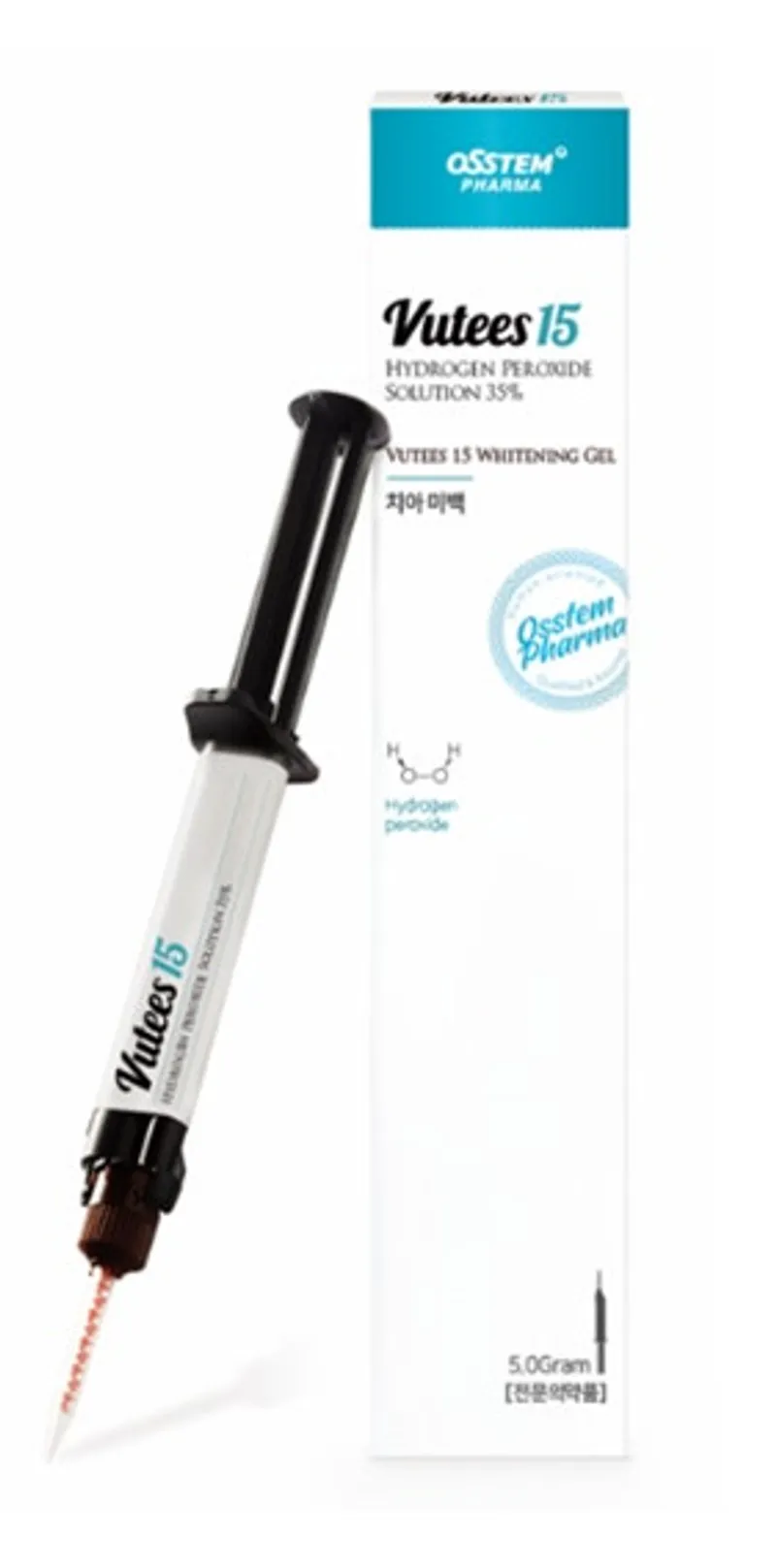
At New York S Dental Clinic, professional whitening incorporates:
Use of MFDS-approved whitening agents
Specialized light-activated systems
Customized shade planning
Consideration of lip tone, skin tone, and gum color
Efforts to minimize post-treatment sensitivity
The clinic uses “Beautis 15” an approved whitening product formulated to enhance whitening efficiency while reducing sensitivity.
Addressing Tooth Sensitivity
Tooth sensitivity is one of the most common concerns associated with whitening. Because whitening agents penetrate enamel, temporary sensitivity may occur.
Clinical whitening helps reduce sensitivity risk by:
Controlling exposure time
Using approved formulations
Monitoring patient comfort during the procedure
Most sensitivity resolves within a few days.
Patients with severe enamel erosion or exposed roots may not be ideal candidates for high-concentration whitening.
Who Is a Suitable Candidate?
Professional whitening may be appropriate for patients who:
Have healthy gums and enamel
Experience discoloration from aging or dietary habits
Desire a brighter, natural-looking smile
Do not have untreated cavities
Whitening is less effective for:
Internal discoloration from certain medications
Severely damaged enamel
Teeth with extensive restorations
Individual evaluation determines suitability.
Expected Results and Longevity
Results vary depending on:
Initial tooth shade
Type of staining
Lifestyle habits
Oral hygiene maintenance
Most patients notice visible improvement after one session. However, whitening is not permanent. Maintenance may be needed over time, particularly for individuals who regularly consume staining foods or beverages.
Good oral hygiene and periodic professional cleaning help prolong results.
Safety Considerations
When performed under dental supervision, Professional Teeth Whitening is considered safe for enamel and gum tissues.
Potential temporary side effects include:
Mild tooth sensitivity
Gum irritation
Temporary dryness of lips
These effects are typically short-lived.
At New York S Dental Clinic, treatment planning emphasizes:
Proper patient selection
Controlled application
Monitoring during the procedure
Focus on natural-looking results
Whitening and Existing Restorations
It is important to note that whitening affects only natural enamel. Crowns, veneers, fillings, and implants do not change color.
If mismatched shades occur after whitening, restorative adjustments may be discussed.
Comprehensive planning ensures harmony between natural teeth and existing restorations.
Professional Whitening vs. Over-the-Counter Products
Over-the-counter whitening products may contain lower concentrations of whitening agents. While they can provide mild improvement, they lack:
Customized shade assessment
Gum protection
Professional monitoring
Controlled light activation
Clinical whitening offers more predictable and even results, particularly for moderate discoloration.
Considerations for International Patients
For patients traveling to Seoul, Professional Teeth Whitening is often completed in a single visit, making it suitable for short stays.
However, pre-treatment evaluation remains essential to ensure safety.
Patients should plan for:
Initial consultation
Whitening session
Possible short-term sensitivity
Clear communication helps ensure realistic expectations.
Maintaining Whitening Results
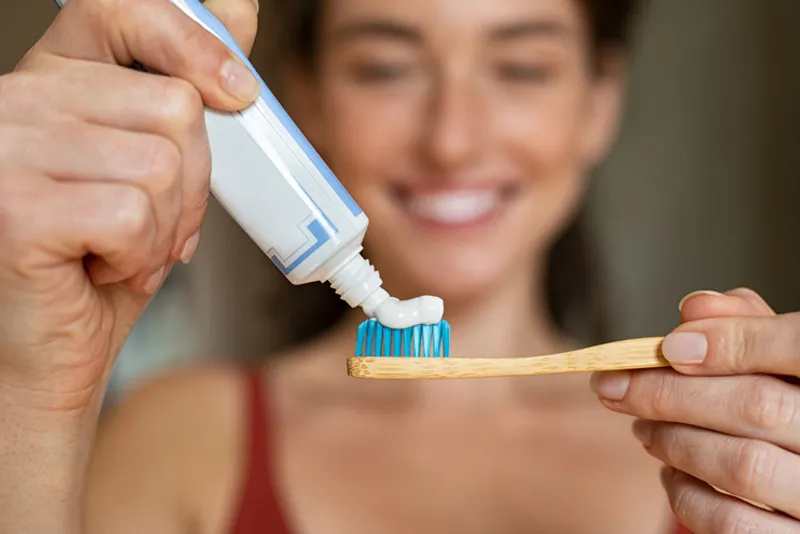
To prolong whitening effects, patients are encouraged to:
Brush twice daily
Floss regularly
Limit staining beverages
Avoid tobacco
Schedule routine dental cleanings
Periodic touch-up whitening may be recommended based on lifestyle habits.
Realistic Expectations
Professional whitening enhances brightness but does not permanently alter tooth structure.
Patients should understand:
Results vary individually
Maintenance may be necessary
Over-whitening can appear unnatural
Balance and facial harmony are important
The goal is a brighter yet natural-looking smile.
Conclusion
Professional Teeth Whitening in Jongno-gu, Seoul provides a safe and structured approach to improving tooth color using clinically approved whitening agents and light activation technology.
At New York S Dental Clinic, whitening treatment is guided by comprehensive evaluation, enamel preservation, and personalized planning. By prioritizing safety and natural aesthetics, the clinic offers patients a medically supervised solution for brighter, healthier-looking smiles while maintaining long-term oral health.