English-Speaking, U.S.-Trained Dental Care in Jongno-gu, Seoul | +82 2-735-2859
en-US

Partial Dentures
Partial Dentures in Jongno-gu, Seoul replace multiple missing teeth with custom removable prosthetics, restoring function, balance, and natural smile aesthetics.
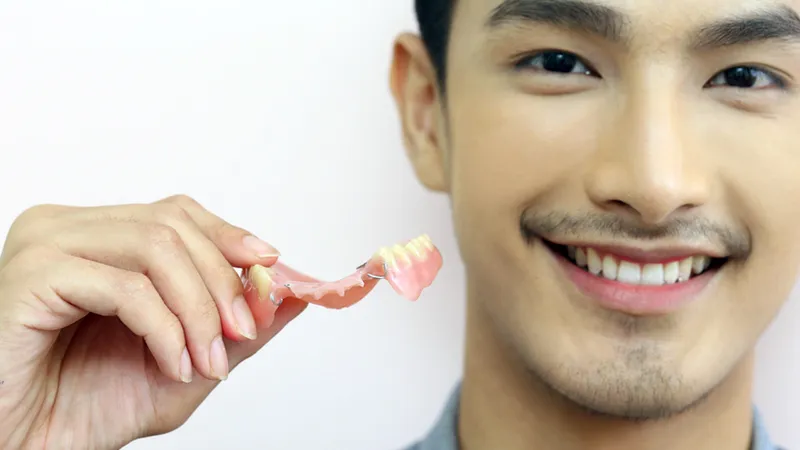
Partial Dentures
Tooth loss does not always occur completely. Many patients retain several healthy natural teeth while missing others due to decay, trauma, or periodontal disease. In such cases, Partial Dentures provide a structured, conservative solution that restores chewing ability, speech clarity, and smile aesthetics while preserving remaining teeth.
At New York S Dental Clinic, located in Jongno-gu, Seoul, removable prosthetic treatment is guided by careful diagnosis, functional analysis, and preservation-focused planning. Partial denture therapy is recommended when it offers a safe and effective alternative to more invasive procedures.
What Are Partial Dentures?
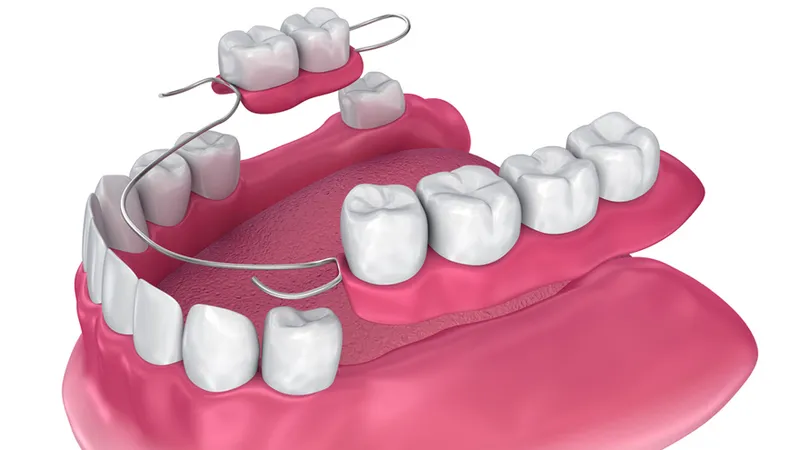
Partial Dentures are removable dental prostheses designed to replace one or more missing teeth in an arch while remaining natural teeth are still present. Unlike full dentures, which replace all teeth in an arch, partial dentures use existing teeth for support and stability.
A typical partial denture includes:
A base made of acrylic or flexible resin
Artificial replacement teeth
A metal or flexible framework for support
Clasps or attachments that anchor to natural teeth
The primary goals are to restore function, maintain alignment, and prevent shifting of remaining teeth.
When Are Partial Dentures Recommended?
Partial dentures may be appropriate when:
Several teeth are missing in the same arch
Remaining teeth are healthy and stable
Fixed bridge treatment is not suitable
Implant placement is not preferred or feasible
A removable, non-surgical solution is desired
Each case requires comprehensive clinical evaluation to determine whether a partial denture offers optimal long-term stability.
Consequences of Missing Multiple Teeth
When multiple teeth are missing and not replaced, several complications may develop:
Adjacent teeth shifting into empty spaces
Bite imbalance (malocclusion)
Difficulty chewing certain foods
Increased stress on remaining teeth
Changes in speech
Jawbone resorption in missing areas
A properly designed Partial Denture helps maintain tooth alignment and functional balance.
Types of Partial Dentures
There are several types of partial denture designs, depending on the patient’s needs.
1. Acrylic Partial Dentures
Often used as temporary or transitional appliances. They are lightweight and cost-effective but may be bulkier.
2. Cast Metal Partial Dentures
Feature a metal framework that provides strength, durability, and improved stability. They are thinner and often more comfortable.
3. Flexible Partial Dentures
Made from flexible materials for improved aesthetics and comfort, especially in visible areas.
The appropriate type depends on oral condition, aesthetics, and functional requirements.
Diagnostic Evaluation Before Fabrication
At New York S Dental Clinic, planning for Partial Dentures begins with:
Detailed medical and dental history review
Clinical examination of remaining teeth
Assessment of gum health
Bite (occlusion) evaluation
Radiographic imaging when necessary
Healthy supporting teeth and stable periodontal tissues are essential for long-term denture success.
If periodontal disease is present, gum treatment may be required before fabrication.
Step-by-Step Partial Denture Process
1. Initial Consultation
The dentist evaluates missing tooth areas, remaining tooth stability, and overall oral condition.
2. Impressions
Accurate impressions are taken to create a model of the patient’s mouth.
3. Framework Design
The denture framework is designed to distribute chewing forces evenly and minimize stress on natural teeth.
4. Trial Fitting
A trial setup allows evaluation of fit, aesthetics, and bite alignment before final fabrication.
5. Final Delivery
The completed partial denture is inserted and adjusted for comfort.
6. Follow-Up Visits
Minor adjustments may be necessary as oral tissues adapt.
Importance of Proper Fit and Bite Balance
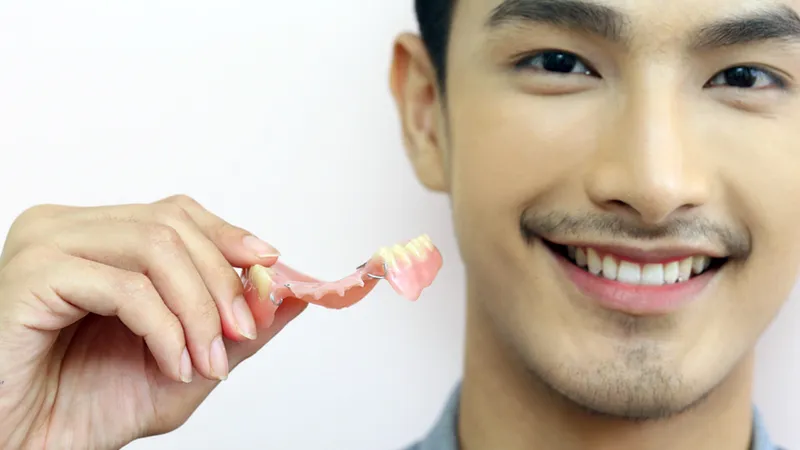
A well-designed Partial Denture should:
Sit securely without excessive movement
Distribute chewing forces evenly
Maintain proper occlusion
Avoid pressure points on gums
Improper fit may cause:
Gum irritation
Sore spots
Increased stress on anchor teeth
Speech difficulties
Careful design and periodic maintenance help prevent complications.
Adapting to Partial Dentures
Patients may experience an adaptation period that includes:
Increased saliva production
Mild soreness
Speech adjustments
Learning to chew evenly
Gradual introduction of firmer foods and consistent follow-up visits improve adaptation.
Most patients adjust within several weeks.
Maintaining Oral Hygiene with Partial Dentures
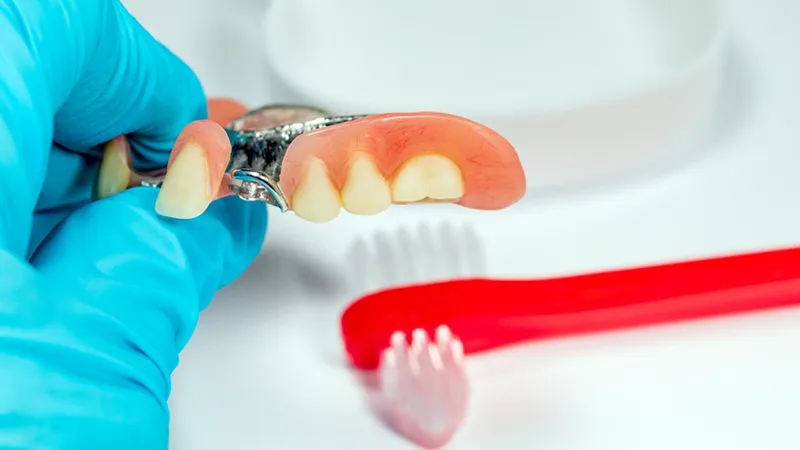
Oral hygiene remains essential even with removable prosthetics.
Daily care recommendations include:
Removing the denture at night
Cleaning the denture thoroughly
Brushing remaining natural teeth
Cleaning around clasps and attachment areas
Soaking dentures in appropriate solutions
Neglecting hygiene may lead to gum inflammation or decay of supporting teeth.
Partial Dentures and Bone Preservation
Unlike dental implants, partial dentures do not directly stimulate the jawbone in missing areas. Over time, bone resorption may still occur.
However, replacing missing teeth helps:
Maintain bite alignment
Reduce uneven pressure on natural teeth
Improve chewing function
Periodic evaluation ensures proper adaptation as bone changes occur.
Safety and Clinical Considerations
Partial denture treatment is non-surgical and generally safe. However, long-term success depends on:
Healthy remaining teeth
Stable gum condition
Proper framework design
Consistent maintenance
Potential concerns include:
Loosening over time
Gum irritation
Wear of artificial teeth
Routine dental check-ups help detect and correct issues early.
At New York S Dental Clinic, treatment planning emphasizes structured diagnosis and preservation of natural teeth.
Comparing Partial Dentures to Other Options
Depending on the patient’s condition, alternatives may include:
Fixed dental bridges
Implant-supported crowns
Implant-supported partial dentures
Each option has advantages and limitations. Partial dentures remain a practical and conservative solution when surgery is not preferred or feasible.
Individualized evaluation ensures appropriate selection.
Considerations for International Patients
Patients traveling for dental care should understand:
Partial denture fabrication typically requires multiple visits
Follow-up adjustments may be necessary
Clear communication regarding expectations is essential
Careful planning supports continuity of care, particularly for medical tourism patients.
Realistic Expectations
Patients considering Partial Dentures should understand:
Adaptation requires time
Regular maintenance is necessary
Periodic relining or adjustment may be required
Long-term oral hygiene is essential
Proper expectations contribute to satisfaction and durability.
Long-Term Maintenance and Replacement
Over time, partial dentures may require:
Relining due to bone changes
Adjustment of clasps
Replacement of worn artificial teeth
Regular monitoring ensures comfort and functional efficiency.
Conclusion
Partial Dentures in Jongno-gu, Seoul provide a conservative and structured solution for replacing multiple missing teeth while preserving remaining natural teeth. By restoring chewing function, maintaining tooth alignment, and supporting smile aesthetics, partial dentures play an important role in comprehensive oral rehabilitation.
At New York S Dental Clinic, partial denture treatment is guided by detailed evaluation, functional planning, and patient-centered care. Through careful design and individualized assessment, the clinic aims to provide stable, comfortable, and durable removable prosthetic solutions for patients seeking non-surgical tooth replacement options.