English-Speaking, U.S.-Trained Dental Care in Jongno-gu, Seoul | +82 2-735-2859
en-US

Osstem Implant (BA / SOI Line)
Osstem Implant (BA / SOI Line) in Jongno-gu, Seoul offers stable, advanced surface technology for predictable osseointegration and long-term dental implant success.

Osstem Implant (BA / SOI Line)

Dental implants have become a widely accepted solution for replacing missing teeth, offering durability, stability, and preservation of surrounding bone. Among modern implant systems, the Osstem Implant (BA / SOI Line) is recognized for its advanced surface technology and structural design, developed to support predictable osseointegration and long-term function.
At New York S Dental Clinic, located in Jongno-gu, Seoul, implant treatment is guided by structured diagnosis, careful case selection, and preservation-focused planning. The clinic integrates advanced implant systems such as the Osstem BA and SOI Line within comprehensive treatment protocols tailored to each patient’s oral condition.
Understanding Dental Implants
A dental implant is a titanium fixture surgically placed into the jawbone to replace the root of a missing tooth. Once integrated with the bone—a biological process known as osseointegration—the implant supports a custom-made crown, bridge, or denture.
Compared to traditional removable prostheses, implant-supported restorations offer:
Improved chewing efficiency
Enhanced speech clarity
Preservation of jawbone structure
Increased long-term stability
Natural-looking aesthetic results
However, successful implant therapy depends on precise planning, sufficient bone support, and appropriate implant selection.
What Is the Osstem Implant (BA / SOI Line)?
The Osstem Implant system is a globally utilized dental implant platform developed with advanced surface treatment technologies to improve bone integration.
Within this system:
The BA Line is designed to support stable initial fixation and long-term mechanical strength.
The SOI Line features specialized surface characteristics aimed at enhancing bone cell attachment and accelerating early healing phases.
Both lines are engineered to optimize:
Implant stability
Bone-to-implant contact
Load distribution under chewing forces
Long-term durability
Surface treatment plays a significant role in how quickly and effectively the implant integrates with surrounding bone tissue.
The Importance of Implant Surface Technology
Implant surface modification influences the biological response of bone cells. A well-designed surface can:
Promote rapid bone cell adhesion
Enhance early-stage osseointegration
Improve long-term stability
The SOI (Super Osseointegration) surface is developed to increase hydrophilicity and biological activity, which may contribute to improved early healing response.
The BA (Bone-Active) surface focuses on maintaining mechanical reliability while supporting predictable integration in various bone conditions.
Choosing the appropriate implant type depends on individual bone quality, anatomical considerations, and functional requirements.
Who Is a Candidate for Osstem Implant Treatment?
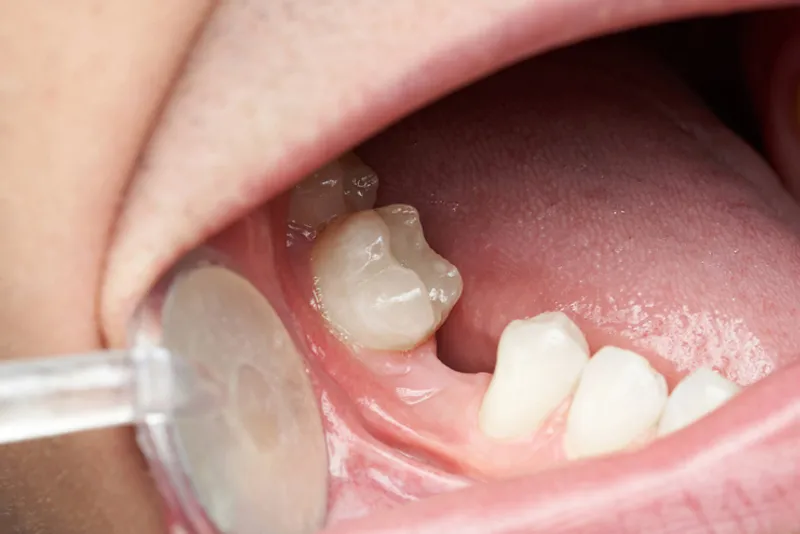
Patients may consider Osstem Implant (BA / SOI Line) therapy if they:
Have one or more missing teeth
Desire a fixed alternative to removable dentures
Have adequate jawbone volume or are eligible for bone grafting
Maintain good oral hygiene
Are medically stable for minor oral surgery
Patients with advanced periodontal disease or severe bone loss may require preliminary treatment such as scaling, periodontal therapy, or bone grafting before implant placement.
Each case is carefully evaluated to ensure that implant therapy is appropriate and safe.
Diagnostic Process Before Implant Placement
At New York S Dental Clinic, implant treatment planning begins with comprehensive evaluation:
Detailed medical and dental history review
Clinical oral examination
Radiographic imaging (X-rays)
Assessment of bone height, width, and density
Bite (occlusion) analysis
Accurate diagnosis is essential to:
Determine implant size and type (BA or SOI Line)
Identify potential anatomical limitations
Evaluate the need for bone grafting
Plan prosthetic restoration design
Implant placement is not a one-size-fits-all procedure; careful assessment ensures long-term predictability.
Step-by-Step Osstem Implant Procedure
1. Pre-Surgical Planning
Based on diagnostic findings, a personalized implant treatment plan is created. Implant position, angulation, and restoration type are carefully determined.
2. Surgical Placement
Under local anesthesia, the Osstem implant fixture is placed into the jawbone. Precision during this step is critical to ensure primary stability.
3. Osseointegration Phase
Over several weeks to months, the implant integrates with the surrounding bone through natural biological processes.
4. Abutment Placement
Once integration is confirmed, an abutment is attached to connect the implant fixture to the prosthetic crown.
5. Final Restoration
A custom-made crown is fabricated and secured, restoring both function and aesthetics.
Healing and Recovery
Recovery after Osstem Implant placement typically involves:
Mild swelling or discomfort
Temporary dietary modifications
Follow-up evaluations
Healing duration depends on:
Bone quality
Implant site
Systemic health conditions
Whether bone grafting was performed
Patients are advised to maintain excellent oral hygiene and avoid excessive force on the surgical area during healing.
Osstem Implant and Bone Preservation
One of the significant advantages of dental implants, including the BA / SOI Line, is their ability to help preserve jawbone structure.
When a tooth is lost, the surrounding bone gradually resorbs. Implants stimulate the bone similarly to natural tooth roots, helping:
Maintain bone volume
Prevent facial contour collapse
Support long-term prosthetic stability
Proper implant placement combined with good periodontal maintenance contributes to sustained bone health.
Safety and Long-Term Outcomes
Dental implants have a high long-term success rate when placed under appropriate conditions. However, success depends on:
Precise surgical technique
Proper prosthetic design
Healthy gum tissue
Consistent oral hygiene
Regular professional maintenance
Potential risks include:
Infection
Implant mobility
Peri-implantitis (inflammation around the implant)
Early diagnosis and maintenance significantly reduce complication risks.
At New York S Dental Clinic, implant therapy emphasizes:
Careful case selection
Objective diagnosis
Individualized planning
Preservation of natural structures whenever possible
Osstem Implant in Medical Tourism Context
Seoul has become a recognized destination for advanced dental care, combining modern technology with structured clinical protocols. The Osstem Implant system, developed in Korea, is widely used domestically and internationally.
For international patients, considerations often include:
Clear treatment planning
Transparent procedure explanation
Efficient scheduling
Structured follow-up recommendations
Dental implant therapy typically requires staged visits, especially when bone grafting or complex rehabilitation is involved.
Maintaining Implants After Treatment

Long-term success of Osstem BA / SOI Implants requires ongoing care:
Daily brushing and flossing
Professional scaling and maintenance
Monitoring for signs of gum inflammation
Avoiding smoking
Even well-integrated implants can fail if surrounding gum tissue becomes chronically inflamed.
Preventive care remains essential for maintaining implant longevity.
Comparing BA and SOI Line Considerations
While both lines belong to the Osstem implant system, selection depends on clinical factors such as:
Bone density
Site location (anterior vs. posterior)
Loading requirements
Healing expectations
There is no universally superior option; rather, the appropriate choice depends on individualized diagnostic findings.
A structured evaluation ensures that the selected implant line aligns with patient-specific anatomical and functional needs.
Realistic Expectations
Although Osstem Implant (BA / SOI Line) systems are designed for durability and integration, patients should understand:
Implant treatment requires time
Healing phases cannot be rushed
Maintenance is lifelong
Individual outcomes vary
Clear communication and structured planning help ensure that expectations align with clinical possibilities.
Conclusion
Osstem Implant (BA / SOI Line) therapy provides a biologically compatible and structurally stable solution for replacing missing teeth. With advanced surface technology supporting osseointegration, these implants are designed to enhance long-term function and bone preservation.
At New York S Dental Clinic, implant treatment is guided by comprehensive diagnosis, careful planning, and patient-centered decision-making. By integrating advanced implant systems within a structured clinical framework, the clinic focuses on achieving stable, functional, and natural-looking outcomes for patients seeking durable tooth replacement in Jongno-gu, Seoul.