English-Speaking, U.S.-Trained Dental Care in Jongno-gu, Seoul | +82 2-735-2859
en-US

Invisalign Treatment
Invisalign Treatment in Jongno-gu, Seoul uses clear aligners to discreetly straighten teeth, improving alignment, bite balance, and long-term oral health.

Invisalign Treatment
Proper tooth alignment supports not only smile aesthetics but also long-term oral health. Crowded, spaced, or misaligned teeth can make oral hygiene more difficult and may contribute to uneven bite forces. Invisalign Treatment offers a clear aligner system designed to gradually reposition teeth without traditional metal brackets or wires.
At New York S Dental Clinic, located in Jongno-gu, Seoul, orthodontic treatment planning emphasizes structured diagnosis, occlusal evaluation, and patient-centered care. Invisalign therapy is considered when alignment correction is appropriate and clinically indicated.
What Is Invisalign Treatment?

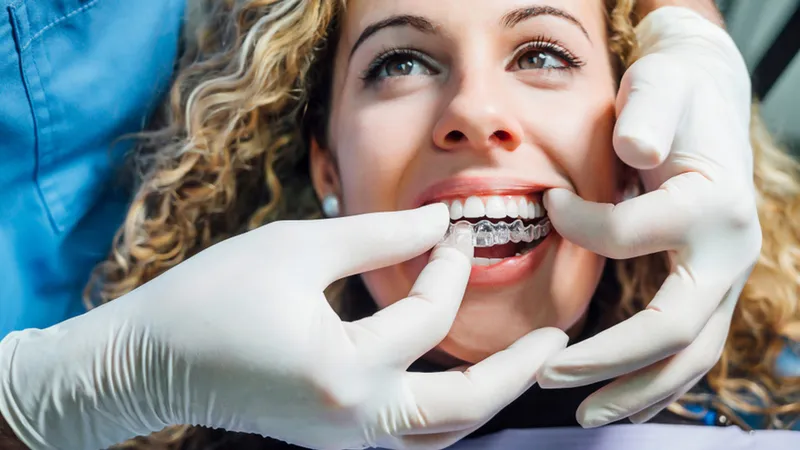
Invisalign Treatment is a form of orthodontic therapy that uses a series of custom-made, transparent aligners to move teeth gradually into improved alignment.
Each aligner:
Is made from clear medical-grade plastic
Is custom-designed based on digital impressions
Applies controlled force to specific teeth
Is typically worn for about 1–2 weeks before switching to the next set
The aligners are removable, allowing patients to maintain oral hygiene and eat without major restrictions.
How Invisalign Works
The Invisalign process begins with digital scanning or impressions of the teeth. These records are used to create a computerized treatment plan that maps gradual tooth movement.
Patients receive a sequence of aligners that:
Apply gentle, continuous pressure
Move teeth incrementally
Follow a pre-determined alignment plan
Treatment duration varies depending on the complexity of the case, but many patients complete therapy within several months to over a year.
Conditions Invisalign May Address
Invisalign may be recommended for:
Mild to moderate crowding
Spacing between teeth
Minor bite irregularities
Relapse after previous orthodontic treatment
Cosmetic alignment concerns
Severe skeletal discrepancies or complex malocclusions may require alternative orthodontic approaches.
Careful diagnostic evaluation determines candidacy.
Diagnostic Evaluation Before Treatment
At New York S Dental Clinic, Invisalign planning includes:
Detailed medical and dental history review
Clinical oral examination
Assessment of gum health
Bite (occlusion) analysis
Digital imaging or impressions
Healthy gums and stable teeth are essential before starting orthodontic movement.
If periodontal disease or untreated decay is present, these conditions are addressed prior to aligner therapy.
Step-by-Step Invisalign Treatment Process
1. Initial Consultation
The dentist evaluates alignment concerns and discusses treatment goals.
2. Digital Scanning and Treatment Planning
Digital impressions are used to create a personalized aligner series. A projected treatment outcome is reviewed.
3. Aligner Fabrication
Custom aligners are manufactured according to the treatment plan.
4. Wearing the Aligners
Patients wear aligners for approximately 20–22 hours per day, removing them only for eating and cleaning.
5. Regular Monitoring
Periodic check-ups assess progress and ensure proper tooth movement.
6. Retention Phase
After alignment is complete, retainers are used to maintain results.
Advantages of Invisalign Treatment
Compared to traditional braces, Invisalign may offer:
Discreet appearance
Removability for eating and hygiene
Reduced soft tissue irritation
Predictable digital treatment planning
Fewer dietary restrictions
However, patient compliance is essential. Aligners must be worn consistently to achieve desired results.
Oral Hygiene During Invisalign
Because aligners are removable, patients can:
Brush and floss normally
Clean aligners separately
Maintain gum health more effectively
Proper hygiene reduces the risk of cavities or gum inflammation during treatment.
Aligners should be cleaned regularly to prevent bacterial buildup.
Functional Benefits of Alignment

Beyond aesthetics, improved alignment can:
Distribute bite forces more evenly
Reduce excessive wear on certain teeth
Improve chewing efficiency
Support better long-term periodontal health
Orthodontic alignment may also enhance the success of other restorative treatments.
Limitations and Considerations
Invisalign may not be suitable for:
Severe jaw discrepancies
Significant skeletal malocclusions
Patients unable to maintain consistent wear
Because aligners are removable, treatment success depends heavily on patient cooperation.
Realistic expectations and adherence to instructions are critical.
Treatment Duration
The length of Invisalign therapy varies based on:
Degree of misalignment
Patient compliance
Biological response to tooth movement
Some cases require minor correction lasting several months, while more complex cases may extend beyond a year.
Regular monitoring ensures treatment progresses as planned.
Safety and Clinical Considerations
Orthodontic tooth movement is a controlled biological process. When properly supervised, Invisalign treatment is considered safe.
Potential temporary effects include:
Mild pressure or discomfort when switching aligners
Temporary speech adaptation
Slight tooth sensitivity
These effects typically subside as the mouth adapts.
At New York S Dental Clinic, treatment planning emphasizes:
Accurate diagnosis
Structured monitoring
Individualized care
Long-term stability of results
Invisalign and Adult Patients
Many adult patients prefer clear aligners due to their discreet appearance. Invisalign is often chosen by individuals who:
Desire aesthetic correction
Have professional or social considerations
Previously avoided traditional braces
Adult orthodontics requires careful evaluation of gum health and bone support before initiating treatment.
Retention After Treatment
After completing Invisalign therapy, teeth may naturally attempt to shift back toward their original positions.
Retention typically includes:
Wearing clear retainers
Periodic follow-up visits
Monitoring bite stability
Long-term retention is essential to maintain alignment results.
Invisalign and Medical Tourism
For international patients, Invisalign may require:
Initial consultation and digital planning
Delivery of multiple aligner sets
Remote or periodic monitoring
Treatment continuity is important, and scheduling should account for follow-up requirements.
Clear communication ensures realistic timelines.
Realistic Expectations
Patients considering Invisalign Treatment should understand:
Aligners must be worn consistently
Mild discomfort is normal during adjustments
Results depend on compliance
Retention is necessary
Clear aligner therapy is a gradual process, not an immediate cosmetic change.
Conclusion
Invisalign Treatment in Jongno-gu, Seoul provides a structured and discreet orthodontic solution for improving tooth alignment. By using custom clear aligners and digital treatment planning, this approach supports gradual, controlled tooth movement while maintaining patient comfort.
At New York S Dental Clinic, Invisalign therapy is guided by comprehensive diagnosis, functional evaluation, and individualized planning. Through careful monitoring and patient cooperation, clear aligner treatment can improve both aesthetics and long-term oral health stability.