English-Speaking, U.S.-Trained Dental Care in Jongno-gu, Seoul | +82 2-735-2859
en-US

Implant-Supported Dentures
Implant-Supported Dentures in Jongno-gu, Seoul provide stable full-arch tooth replacement, improving retention, chewing function, and long-term comfort.

Implant-Supported Dentures
Complete tooth loss can significantly affect quality of life. While conventional full dentures restore appearance and basic function, some patients experience looseness, difficulty chewing, or reduced confidence—particularly in the lower jaw. Implant-Supported Dentures provide an alternative approach by anchoring dentures to dental implants placed in the jawbone.
At New York S Dental Clinic, located in Jongno-gu, Seoul, implant-based prosthetic treatment is guided by comprehensive diagnosis, structured planning, and preservation-focused care. Implant-supported dentures are recommended when improved stability and function are clinically appropriate.
What Are Implant-Supported Dentures?
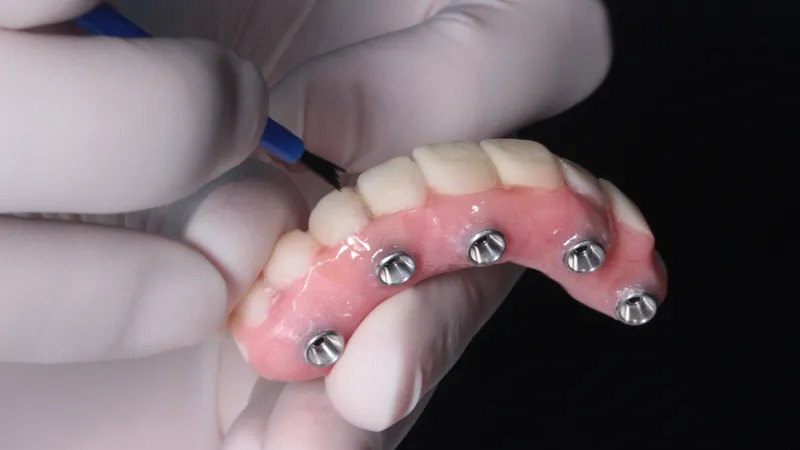
Implant-Supported Dentures, also known as implant-retained overdentures, are removable full dentures that attach securely to dental implants placed in the jaw.
Unlike traditional dentures that rely solely on suction and gum support, implant-supported dentures:
Snap or connect onto implant attachments
Provide improved retention and stability
Reduce denture movement during speaking and chewing
Enhance patient confidence
These restorations can be used in the upper jaw, lower jaw, or both.
Why Conventional Dentures May Feel Unstable
Traditional full dentures rest directly on gum tissue. Over time, jawbone resorption naturally occurs after tooth loss. This bone loss may lead to:
Decreased denture retention
Difficulty chewing firm foods
Gum irritation
Frequent need for relining
The lower jaw is particularly prone to instability due to limited surface area and tongue movement.
By placing implants into the jawbone, denture stability can be significantly improved.
How Implant-Supported Dentures Work
The treatment typically involves:
Placement of dental implants into the jawbone
Healing period for osseointegration
Attachment of connection components (such as locator attachments)
Fabrication or modification of a denture to connect securely
The implants act as anchors, helping distribute chewing forces more evenly.
Depending on clinical needs, two to four implants may be placed in the lower jaw. The upper jaw may require additional implants depending on bone quality.
Who Is a Candidate for Implant-Supported Dentures?
This treatment may be appropriate for patients who:
Have complete tooth loss in one or both arches
Experience instability with conventional dentures
Have sufficient bone volume for implant placement
Are medically stable for minor oral surgery
Desire improved chewing efficiency and stability
Patients with significant bone loss may require bone grafting procedures before implant placement.
A comprehensive diagnostic evaluation determines candidacy.
Diagnostic Process and Treatment Planning
At New York S Dental Clinic, implant-supported denture planning begins with:
Review of medical and dental history
Clinical oral examination
Radiographic imaging (X-ray analysis)
Evaluation of bone height and density
Assessment of gum condition
If periodontal disease or oral infection is present, treatment is completed before implant placement.
Accurate planning ensures proper implant positioning and long-term prosthetic success.
Step-by-Step Treatment Process
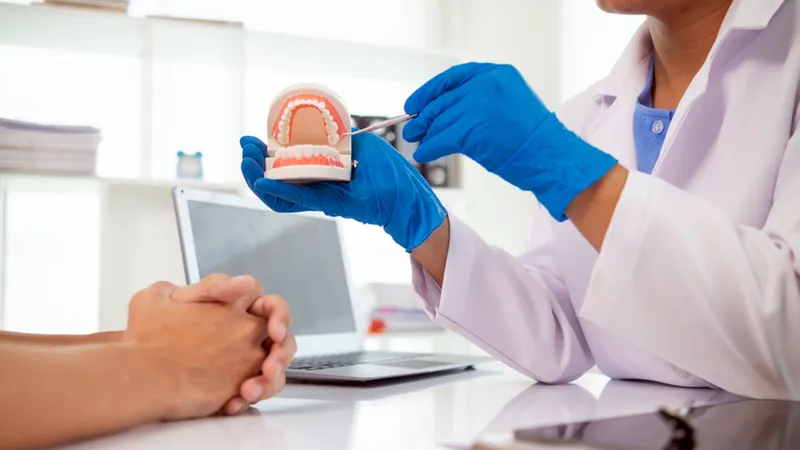
1. Initial Consultation
Detailed assessment determines whether implant-supported dentures are appropriate.
2. Implant Placement
Under local anesthesia, dental implants are surgically inserted into the jawbone.
3. Osseointegration Phase
The implants integrate with the surrounding bone over several months.
4. Attachment Placement
After integration, special connectors (such as locator attachments) are secured to the implants.
5. Denture Fabrication or Modification
A new denture is fabricated—or an existing denture is modified—to attach securely to the implants.
6. Final Fitting and Adjustment
The denture is adjusted for comfort, retention, and balanced bite alignment.
Benefits of Implant-Supported Dentures
Compared to conventional full dentures, implant-supported options may provide:
Improved denture stability
Enhanced chewing efficiency
Reduced gum irritation
Better speech clarity
Increased confidence during daily activities
By anchoring the prosthesis to implants, functional load is partially transferred to the jawbone rather than resting entirely on gum tissue.
Bone Preservation and Implant Support
Dental implants stimulate the jawbone similarly to natural tooth roots. This stimulation may help:
Slow bone resorption
Maintain facial contours
Improve long-term stability
Although bone changes still occur over time, implant support reduces the degree of progressive shrinkage compared to conventional dentures alone.
Healing and Recovery
After implant placement, patients may experience:
Mild swelling
Temporary discomfort
Minor bleeding
Postoperative care typically includes:
Maintaining oral hygiene
Avoiding excessive pressure on implants
Following dietary recommendations
Attending scheduled follow-up visits
Healing time varies depending on bone quality and overall health.
Safety and Clinical Considerations
Implant-supported denture treatment is generally safe when performed with appropriate diagnosis and technique. However, potential risks include:
Implant failure due to insufficient integration
Infection
Attachment wear over time
Peri-implant inflammation
Routine maintenance and professional cleaning are essential for long-term success.
At New York S Dental Clinic, treatment emphasizes careful case selection, structured planning, and long-term maintenance protocols.
Maintenance and Long-Term Care
Implant-supported dentures require:
Daily cleaning of both denture and implant attachments
Removal at night (in most cases)
Professional maintenance appointments
Periodic replacement of attachment components
Even though the denture is stabilized by implants, gum and bone health must be continuously monitored.
Comparison with Fixed Implant Bridges
Patients may also consider fixed full-arch implant bridges, which are permanently attached and not removable by the patient.
Compared to fixed solutions, implant-supported dentures:
Are removable for cleaning
Often require fewer implants
May involve lower overall cost
Provide improved stability over traditional dentures
The appropriate option depends on clinical findings and patient preference.
Considerations for International Patients
For patients traveling to Seoul for treatment:
Implant placement and initial consultation may occur during one visit
Healing requires several months
Final denture attachment may require a second visit
Clear treatment planning and communication help ensure continuity of care for medical tourism patients.
Realistic Expectations

While Implant-Supported Dentures offer improved stability, patients should understand:
Healing takes time
Ongoing maintenance is required
Attachments may need replacement
Good oral hygiene is essential
Proper expectations support long-term satisfaction.
Conclusion
Implant-Supported Dentures in Jongno-gu, Seoul provide a stable and structured solution for patients experiencing instability with conventional full dentures. By combining dental implants with removable prosthetics, this treatment enhances chewing function, retention, and comfort.
At New York S Dental Clinic, implant-supported denture therapy is guided by comprehensive diagnosis, individualized planning, and patient-centered care. Through careful evaluation and structured protocols, the clinic focuses on achieving stable, functional, and durable outcomes for patients seeking improved full-arch tooth replacement solutions.