English-Speaking, U.S.-Trained Dental Care in Jongno-gu, Seoul | +82 2-735-2859
en-US

Gum Treatment
Gum Treatment in Jongno-gu, Seoul removes infection beneath the gumline to prevent bone loss, reduce bleeding, and preserve natural teeth long term.
Gum Treatment
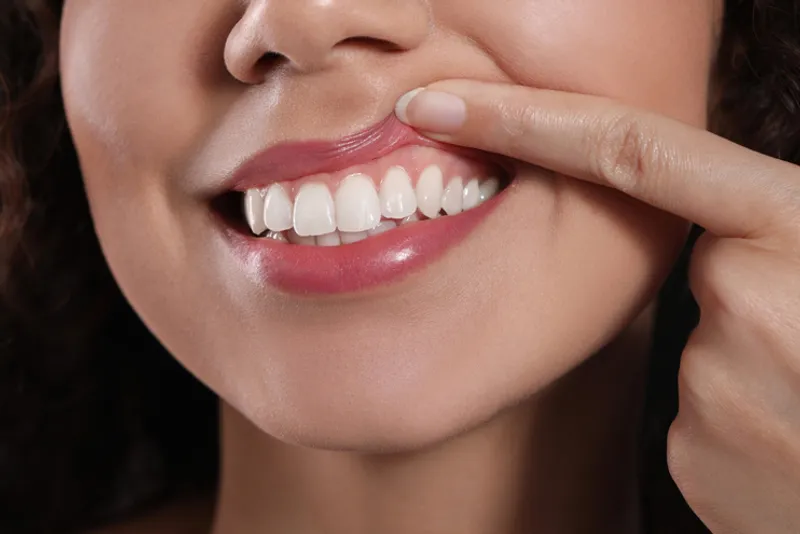
Many people associate tooth loss primarily with cavities. However, gum disease (periodontal disease) is one of the leading causes of adult tooth loss. Early signs such as bleeding while brushing or swollen gums should not be ignored. Timely Gum Treatment plays a critical role in preventing progression to deeper infection and bone destruction.
At New York S Dental Clinic, located in Jongno-gu, Seoul, periodontal care is guided by structured diagnosis and stage-based treatment planning. The clinic emphasizes early detection, removal of infection, and long-term maintenance to preserve natural teeth whenever possible.
Understanding Gum Disease
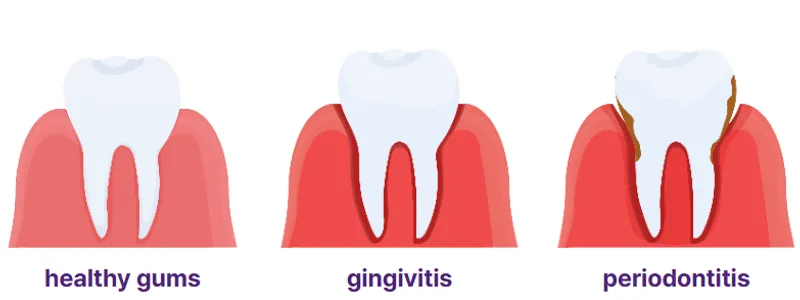
Healthy gums provide stable support for teeth. When bacterial plaque accumulates along the gumline, inflammation begins. If not treated promptly, the infection may extend deeper, affecting the bone that anchors the teeth.
Gum disease progresses in stages:
1. Healthy Gums
Gums are pink, firm, and do not bleed easily. Professional cleaning helps maintain this condition.
2. Gingivitis
Early-stage inflammation characterized by redness, swelling, and bleeding. This stage is reversible with appropriate care.
3. Periodontitis
Advanced infection affecting deeper tissues and bone. Teeth may become loose if untreated.
Recognizing symptoms early allows less invasive treatment.
Common Symptoms of Gum Disease
Patients experiencing the following symptoms may require Gum Treatment:
Bleeding during brushing or flossing
Swollen or tender gums
Persistent bad breath
Gum recession
Tooth mobility in advanced cases
Importantly, gum disease may progress without severe pain. Routine examinations are essential.
Causes of Periodontal Disease
The primary cause of gum disease is bacterial plaque. Contributing factors may include:
Poor oral hygiene
Smoking
Systemic health conditions
Accumulation of tartar (calculus)
Inconsistent dental visits
Because tartar cannot be removed with brushing alone, professional intervention becomes necessary.
What Is Gum Treatment?
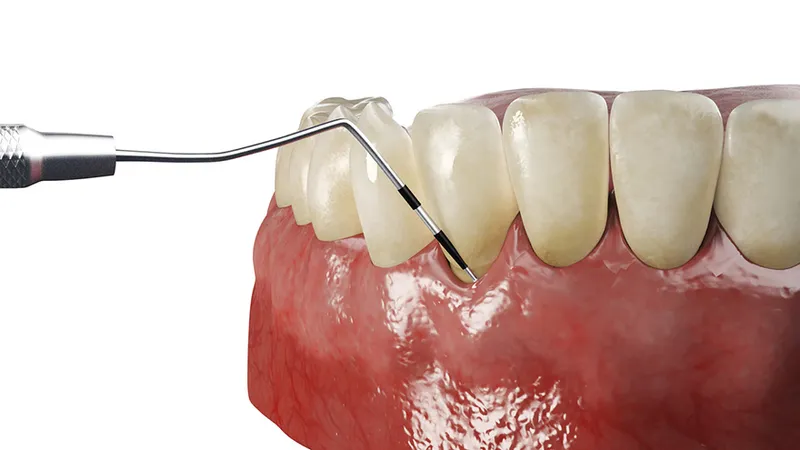
Gum Treatment refers to professional procedures designed to remove bacterial infection and inflammatory tissue from around the teeth and beneath the gumline.
Depending on the stage of disease, treatment may include:
Scaling (removal of visible plaque and tartar)
Root surface cleaning (subgingival debridement)
Removal of infected tissue
In advanced cases, surgical intervention
The goal is to eliminate infection and prevent further bone loss.
Step-by-Step Gum Treatment Process
1. Comprehensive Examination
At New York S Dental Clinic, evaluation includes clinical assessment, gum measurements, and radiographic imaging when needed.
2. Scaling
Ultrasonic instruments remove visible plaque and tartar from tooth surfaces.
3. Subgingival Cleaning
Specialized instruments remove bacteria and inflamed tissue beneath the gumline.
4. Root Surface Debridement
The root surface is carefully cleaned to eliminate bacterial deposits and smooth irregularities.
5. Advanced Intervention (If Necessary)
In cases of advanced periodontitis, deeper cleaning or surgical procedures may be recommended to remove deeply embedded infection and support bone stability.
Treatment planning is based on the severity of disease.
Gum Treatment vs. Over-the-Counter Remedies
Patients sometimes attempt to manage bleeding gums using mouth rinses or gum medications. While these products may temporarily reduce inflammation, they do not remove hardened tartar or deep bacterial deposits.
Professional gum treatment addresses the root cause—bacterial accumulation beneath the gumline—rather than masking symptoms.
The Importance of Early Intervention
Early-stage gingivitis is reversible. However, once bone loss occurs in periodontitis, regeneration becomes more complex.
Prompt gum treatment helps:
Stop disease progression
Preserve natural teeth
Prevent bone destruction
Reduce risk of tooth mobility
Delaying care increases the likelihood of needing more invasive procedures.
Gum Treatment and Tooth Preservation
The alveolar bone anchors teeth securely. When periodontal infection destroys this support, teeth may loosen or eventually require extraction.
By removing infection and reducing inflammation, gum treatment helps maintain:
Tooth stability
Bone health
Proper bite alignment
Long-term oral function
Preserving natural teeth is always a priority.
Recovery and Aftercare

After gum treatment, patients may experience:
Mild sensitivity
Temporary gum tenderness
Minor bleeding
These effects typically resolve within a few days.
Post-treatment care includes:
Gentle brushing
Consistent flossing
Avoiding smoking
Attending follow-up appointments
Proper home care supports healing and reduces recurrence.
Long-Term Maintenance
Periodontal health requires ongoing maintenance. Even after successful gum treatment, bacterial plaque can reaccumulate.
Patients are encouraged to:
Schedule regular professional cleanings
Monitor gum condition
Maintain daily oral hygiene
Address symptoms promptly
Long-term stability depends on consistent care.
Gum Treatment and Dental Implants
Healthy gums are essential for the success of other dental treatments, including implants, crowns, and veneers.
Active gum disease may compromise:
Implant integration
Restoration stability
Overall oral health
Treating periodontal disease before restorative procedures ensures a stable foundation.
Safety and Clinical Considerations
Gum treatment is a routine and evidence-based procedure. Potential temporary side effects may include:
Mild discomfort
Transient tooth sensitivity
Temporary gum irritation
These effects are generally short-lived.
At New York S Dental Clinic, periodontal care emphasizes careful diagnosis and individualized treatment planning to ensure safety and effectiveness.
Considerations for International Patients
For patients visiting Seoul:
Gum treatment is typically completed in one or multiple sessions depending on severity
Follow-up evaluation may be recommended
Early intervention is preferable before aesthetic or implant procedures
Clear scheduling ensures continuity of care.
Preventing Recurrence
Preventing recurrence of gum disease requires:
Consistent brushing and flossing
Balanced diet
Avoiding tobacco use
Regular professional cleaning
Gum disease is manageable but requires long-term commitment to oral hygiene.
Realistic Expectations
Patients undergoing Gum Treatment should understand:
Early-stage disease is reversible
Advanced bone loss may not fully regenerate
Maintenance is lifelong
Early treatment yields better outcomes
Open communication supports informed decision-making.
Conclusion
Gum Treatment in Jongno-gu, Seoul is essential for managing periodontal disease and preserving natural teeth. By removing infection and reducing inflammation, this treatment helps prevent bone loss and maintain long-term oral stability.
At New York S Dental Clinic, periodontal care is guided by structured diagnosis, stage-based treatment planning, and patient education. Through early intervention and consistent maintenance, the clinic supports healthy gums and durable oral health outcomes for both local residents and international patients.