English-Speaking, U.S.-Trained Dental Care in Jongno-gu, Seoul | +82 2-735-2859
en-US

Full Dentures
Full Dentures in Jongno-gu, Seoul restore complete tooth loss with custom-fit removable prosthetics for improved chewing, speech, and facial support.
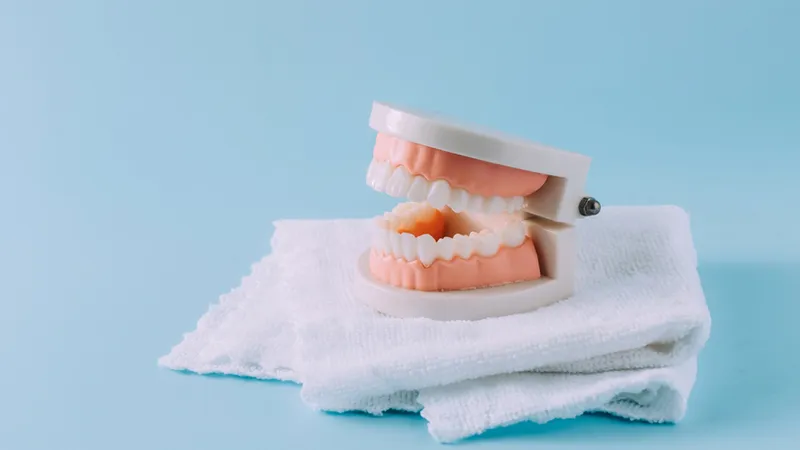
Full Dentures
Tooth loss can significantly affect daily life. Beyond aesthetics, missing teeth influence chewing ability, speech clarity, facial structure, and overall oral health. When all natural teeth in one or both arches are missing or require extraction, Full Dentures (also known as complete dentures) provide a structured and reliable tooth replacement solution.
At New York S Dental Clinic, located in Jongno-gu, Seoul, denture treatment is guided by careful diagnosis, functional evaluation, and patient-centered planning. The clinic emphasizes preserving oral health, ensuring accurate fit, and maintaining long-term comfort.
What Are Full Dentures?
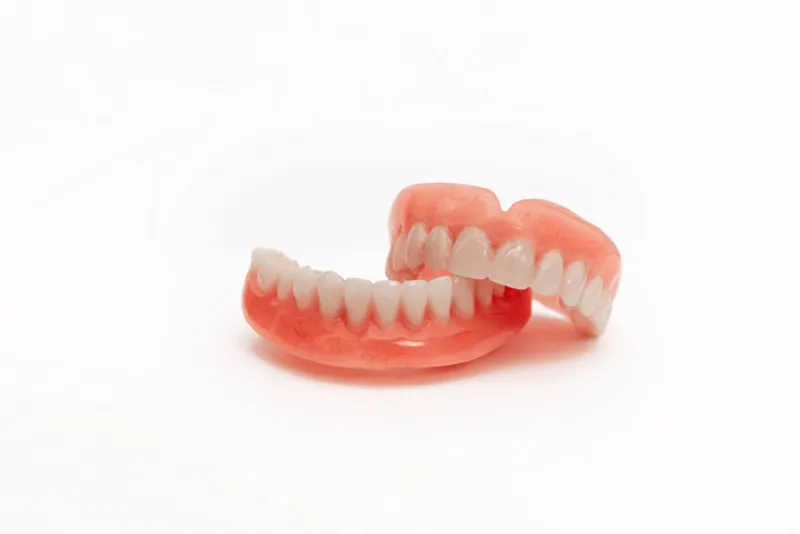
Full Dentures are removable prosthetic appliances designed to replace all teeth in the upper jaw (maxillary denture), lower jaw (mandibular denture), or both.
A complete denture consists of:
An acrylic or resin base that rests on the gums
Artificial teeth designed to resemble natural dentition
Contours shaped to support facial muscles
Unlike partial dentures, full dentures are used when no natural teeth remain in the arch.
When Are Full Dentures Recommended?
Full dentures may be considered when:
All teeth in one arch are missing
Remaining teeth are severely damaged or non-restorable
Advanced periodontal disease has caused extensive tooth mobility
Multiple teeth require extraction
Comprehensive examination determines whether denture treatment is the most appropriate option or whether alternatives—such as implant-supported solutions—should be considered.
The Impact of Complete Tooth Loss
Losing all natural teeth affects more than appearance. Consequences may include:
Difficulty chewing certain foods
Changes in speech pronunciation
Facial muscle sagging
Bone resorption in the jaw
Reduced confidence in social settings
Replacing missing teeth with well-designed Full Dentures helps restore function and support facial contours.
Diagnostic Process Before Denture Fabrication
At New York S Dental Clinic, full denture planning begins with detailed evaluation:
Medical and dental history review
Clinical examination of oral tissues
Assessment of gum health
Evaluation of jaw alignment (occlusion)
Radiographic imaging when necessary
If extractions are required, healing time may be needed before definitive denture fabrication to ensure optimal fit.
Proper planning is essential for long-term comfort and stability.
Step-by-Step Full Denture Process
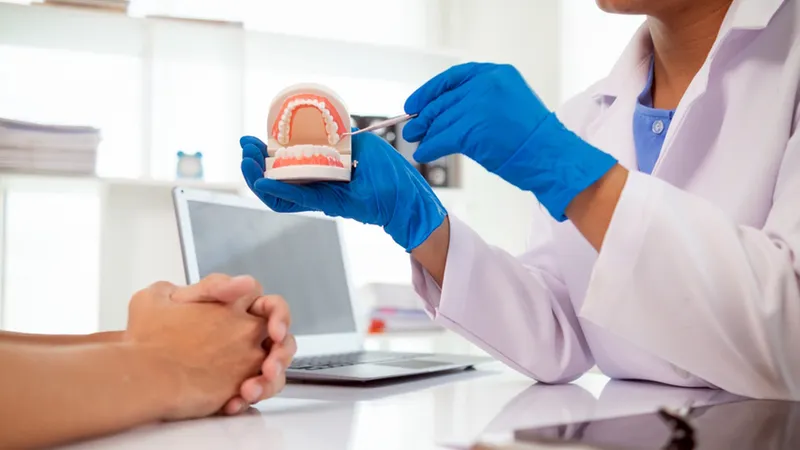
1. Initial Consultation and Assessment
A thorough evaluation determines the condition of oral tissues and bone structure. Treatment planning is discussed in detail.
2. Impressions
Precise impressions of the gums and jaw are taken to create a custom-fit denture base.
3. Bite Registration
Measurements are made to establish proper jaw alignment, vertical dimension, and bite balance.
4. Trial Denture Fitting
A wax model with artificial teeth is tested to assess aesthetics, speech, and occlusion before final fabrication.
5. Final Denture Delivery
The finished denture is fabricated and carefully adjusted for comfort and function.
6. Follow-Up Adjustments
Minor adjustments may be necessary as oral tissues adapt to the new prosthesis.
Immediate vs. Conventional Full Dentures
There are generally two types of full denture approaches:
Conventional Dentures
Fabricated after complete healing following tooth extraction. This allows for more accurate long-term fit.
Immediate Dentures
Placed immediately after tooth extraction. These provide temporary aesthetics and function but may require relining or adjustment after healing.
The appropriate option depends on the patient’s oral condition and treatment timeline.
Adapting to Full Dentures
Adjusting to full dentures may take time. Common early experiences include:
Increased saliva production
Minor sore spots
Speech adaptation
Learning to chew with even pressure
Most patients adapt within several weeks as muscles and tissues adjust.
Gradual introduction of soft foods and regular follow-up visits help ensure smoother adaptation.
Importance of Proper Fit and Occlusion
A well-fitted denture should:
Sit comfortably on the gums
Provide balanced bite alignment
Allow clear speech
Remain stable during chewing
Improper fit can cause:
Gum irritation
Pressure sores
Difficulty eating
Reduced confidence
Careful impression-taking and bite analysis are critical for achieving long-term comfort.
Bone Changes After Tooth Loss
After complete tooth loss, the jawbone gradually resorbs. This natural process may cause dentures to loosen over time.
Periodic relining or replacement may be necessary to maintain proper fit.
Regular dental evaluation helps monitor bone changes and ensure denture stability.
Oral Hygiene with Full Dentures
Maintaining hygiene is essential for oral health even without natural teeth.
Daily care includes:
Removing dentures at night
Cleaning dentures with appropriate products
Brushing gums and tongue
Soaking dentures in recommended solutions
Proper hygiene reduces the risk of fungal infections and gum irritation.
Safety and Clinical Considerations
Full denture treatment is non-invasive compared to implant surgery, but it still requires clinical precision.
Potential concerns include:
Denture instability
Tissue irritation
Jawbone resorption over time
Careful evaluation and routine follow-up reduce long-term complications.
At New York S Dental Clinic, denture fabrication follows structured diagnostic and functional assessment to ensure appropriate fit and patient comfort.
Full Dentures and Quality of Life

Replacing all missing teeth with properly fitted Full Dentures can significantly improve:
Chewing efficiency
Nutritional intake
Speech clarity
Facial appearance
Psychological confidence
Although dentures may not fully replicate natural teeth, they provide meaningful functional and aesthetic restoration.
Considerations for International Patients
Patients traveling for dental care should understand that:
Multiple visits may be required
Healing time may affect scheduling
Adjustments may be needed after delivery
Clear communication and structured planning help ensure treatment continuity.
Long-Term Maintenance
Full dentures typically require:
Periodic relining as bone changes
Replacement every several years
Ongoing oral tissue evaluation
Consistent follow-up care ensures durability and comfort.
Alternatives to Full Dentures
Depending on bone availability and overall health, alternatives may include:
Implant-supported overdentures
Fixed implant bridges
However, these options require sufficient bone support and surgical eligibility.
Each treatment plan is individualized based on clinical findings and patient preferences.
Realistic Expectations
Patients considering Full Dentures should understand:
Adaptation takes time
Regular adjustments may be necessary
Maintenance is ongoing
Bone resorption continues naturally
Clear expectations support patient satisfaction and long-term success.
Conclusion
Full Dentures in Jongno-gu, Seoul provide a structured solution for complete tooth replacement when natural teeth are missing or non-restorable. By restoring chewing function, speech clarity, and facial support, dentures play an essential role in comprehensive oral rehabilitation.
At New York S Dental Clinic, denture treatment is guided by detailed evaluation, functional planning, and patient-centered care. Through careful diagnosis and customized fabrication, the clinic focuses on achieving comfort, stability, and long-term oral health for patients requiring complete tooth replacement.