English-Speaking, U.S.-Trained Dental Care in Jongno-gu, Seoul | +82 2-735-2859
en-US

Fluoride Treatments
Fluoride Treatments in Jongno-gu, Seoul strengthen enamel, help prevent cavities, and support long-term preventive dental care for children and adults.
Fluoride Treatments

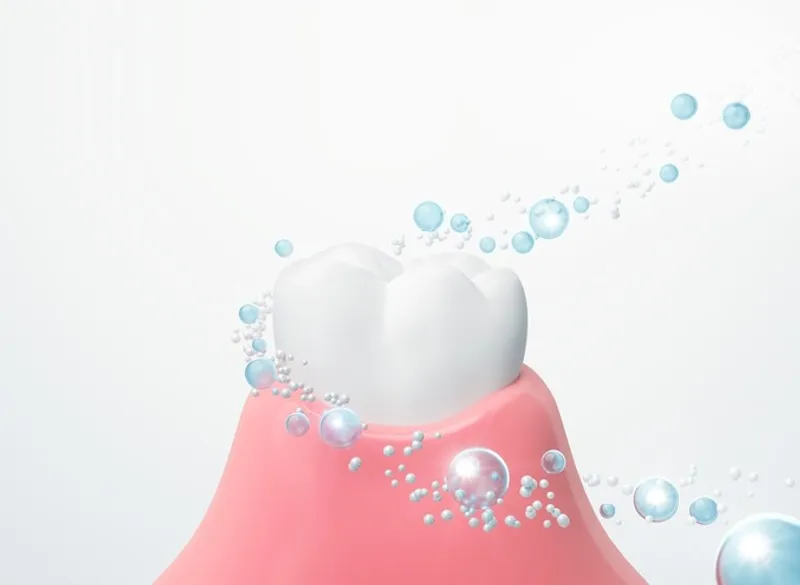
Tooth enamel is the hardest substance in the human body, yet it is continuously exposed to acid challenges from bacteria and dietary sugars. Even with regular brushing, enamel undergoes cycles of demineralization and remineralization every day. When demineralization outweighs natural repair, early cavities can develop. Because enamel cannot biologically regenerate once structurally damaged, preventive strategies are essential. Fluoride Treatments play a central role in reinforcing enamel, supporting remineralization, and reducing the likelihood of cavity progression.
At New York S Dental Clinic, located in Jongno-gu, Seoul, fluoride application is incorporated into structured preventive dental care. By strengthening enamel and supporting early-stage repair, fluoride therapy contributes to long-term tooth preservation and reduces the need for restorative procedures such as resin fillings or root canal treatment.
What Are Fluoride Treatments?
Fluoride Treatments involve the professional application of concentrated fluoride to the tooth surface. Fluoride is a naturally occurring mineral that integrates into the enamel structure and enhances resistance to acid attack.
Professional fluoride may be applied in the form of:
Fluoride varnish
Fluoride gel
Fluoride foam
Tray-based application systems
These professional formulations contain higher fluoride concentrations than standard toothpaste, allowing for more intensive enamel reinforcement when clinically indicated.
Fluoride treatments are preventive, not restorative. They do not fill cavities or replace lost tooth structure, but they can slow or halt early enamel damage.
The Science Behind Fluoride and Enamel Protection
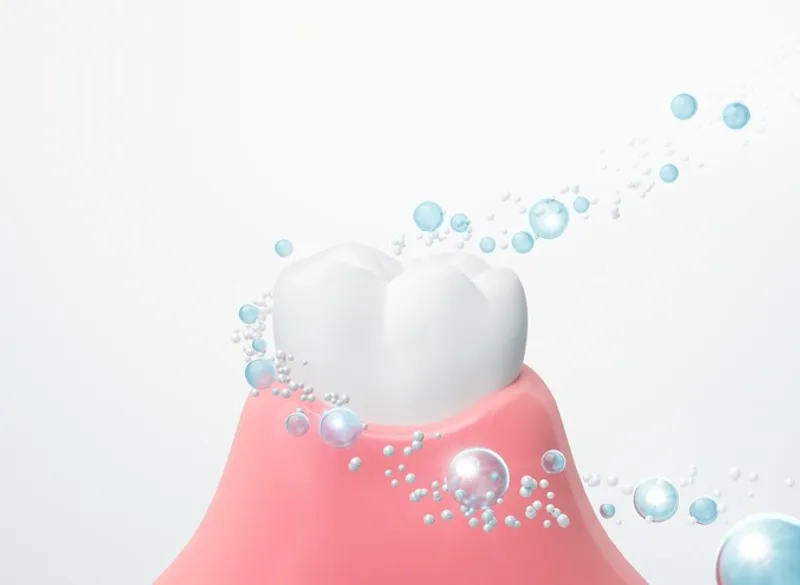
Enamel is composed primarily of hydroxyapatite crystals. When acids produced by oral bacteria lower the pH in the mouth, these crystals begin to dissolve in a process called demineralization.
Fluoride contributes to oral health in three primary ways:
Enhancing Enamel Resistance
Fluoride integrates into enamel to form fluorapatite, which is more resistant to acid dissolution than hydroxyapatite.Promoting Remineralization
In early stages of enamel weakening, fluoride helps redeposit minerals into the enamel surface, reversing microscopic damage.Reducing Bacterial Activity
Fluoride can inhibit bacterial metabolism, decreasing acid production and lowering cavity risk.
These mechanisms make fluoride a foundational component of preventive dentistry.
Who May Benefit from Fluoride Treatments?
Fluoride treatments are commonly recommended for individuals at increased risk of dental caries. This may include:
Children with newly erupted permanent molars
Adolescents with orthodontic appliances
Adults with a history of frequent cavities
Patients with dry mouth (xerostomia)
Individuals with enamel erosion
Patients with early enamel demineralization
Even patients with good oral hygiene may benefit from periodic fluoride reinforcement, depending on individual risk assessment.
At New York S Dental Clinic, candidacy is determined through structured oral examination and caries risk evaluation.
Fluoride Treatments and Early Cavity Prevention
Tooth decay progresses gradually. In its earliest stage, enamel appears slightly chalky or opaque due to mineral loss. At this stage, the surface may remain intact.
When detected early, professional fluoride treatment can:
Strengthen the affected enamel
Reverse early demineralization
Prevent progression to cavitation
Reduce the need for restorative fillings
Early intervention is less invasive, more conservative, and supports natural tooth preservation.
Step-by-Step Fluoride Treatment Procedure
1. Comprehensive Oral Examination
The dentist evaluates overall oral health and identifies areas at increased risk of decay.
2. Professional Cleaning (If Necessary)
Teeth may be scaled to remove plaque and tartar before fluoride application.
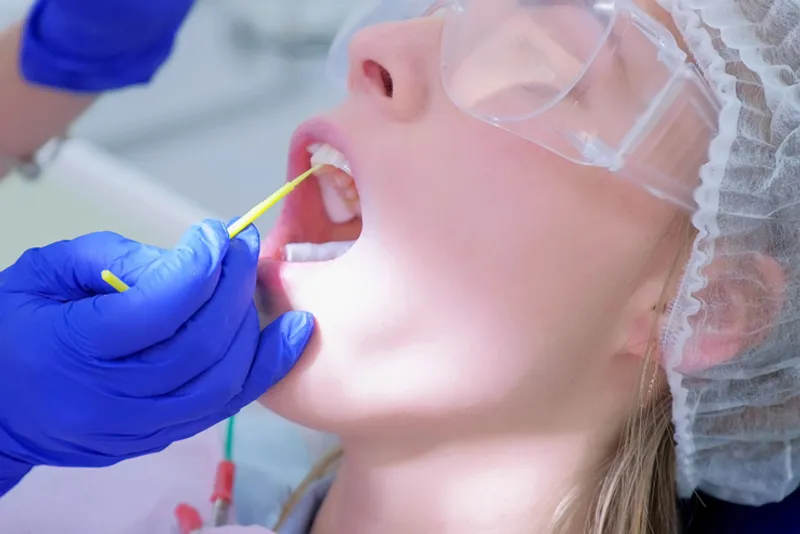
3. Fluoride Application
Fluoride varnish, gel, or foam is applied directly to tooth surfaces using a brush or tray.
4. Post-Application Instructions
Patients may be advised to avoid eating or drinking for a short period to allow optimal fluoride absorption.
The entire procedure is typically completed in one appointment and requires no anesthesia.
Safety and Clinical Considerations
Professional fluoride treatments are considered safe when administered under clinical supervision.
Temporary effects may include:
Slight taste alteration
Temporary coating sensation on teeth
Mild surface dryness
These effects usually resolve quickly. Proper dosing ensures safe application.
At New York S Dental Clinic, fluoride application is integrated into individualized preventive care plans based on clinical findings.
Fluoride Treatments vs. Daily Fluoride Toothpaste
Daily fluoride toothpaste provides ongoing low-level enamel reinforcement. However, professional fluoride treatments:
Deliver higher concentrations
Provide stronger short-term enamel reinforcement
Are particularly useful for high-risk individuals
Both home care and professional fluoride applications are complementary strategies within preventive dentistry.
Fluoride Treatments and Gum Health
While fluoride primarily strengthens enamel, maintaining healthy tooth surfaces also indirectly benefits gum health. By reducing decay risk:
Bacterial accumulation is minimized
Risk of pulp infection is reduced
Secondary complications affecting periodontal tissues are less likely
Preventive measures contribute to overall oral stability.
Fluoride Treatments for Children and Adolescents

Children often benefit significantly from fluoride therapy because:
Newly erupted teeth are more porous and vulnerable
Deep grooves in molars increase plaque retention
Consistent brushing habits may not yet be fully established
Professional fluoride supports enamel maturation during developmental stages.
For adolescents undergoing orthodontic treatment, fluoride may reduce the risk of white spot lesions around brackets.
Fluoride Treatments for Adults
Adults may require fluoride reinforcement when:
Gum recession exposes root surfaces
Enamel erosion is present
Frequent cavities occur
Dry mouth reduces natural protective saliva
Root surfaces are softer than enamel and more susceptible to decay. Fluoride application can strengthen these vulnerable areas.
Frequency of Fluoride Treatments
The recommended frequency varies based on individual risk. Some patients may benefit from:
Annual fluoride treatment
Semi-annual application in higher-risk cases
Clinical assessment determines the appropriate schedule.
Preventive care plans are tailored to each patient’s oral health profile.
Fluoride and Long-Term Tooth Preservation
Preventive fluoride therapy helps reduce the need for:
Resin fillings
Root canal treatment
Crowns
Tooth extraction
Because permanent teeth cannot regenerate, maintaining enamel integrity is essential for long-term oral health.
Fluoride strengthens the first line of defense—enamel—thereby reducing cumulative structural damage over time.
Fluoride Treatments in the Context of Comprehensive Preventive Care
Fluoride therapy is most effective when combined with:
Regular oral examinations
Professional scaling
Dental sealants for deep grooves
Early restorative treatment when necessary
Preventive dental care is a coordinated approach rather than a single intervention.
Fluoride Treatments and Medical Tourism
For international patients visiting Seoul, fluoride application may be included as part of:
Routine preventive check-ups
Post-scaling reinforcement
Pre-aesthetic treatment stabilization
Fluoride treatment is typically completed in one visit and requires no recovery period, making it suitable for short-term stays.
Realistic Expectations
Patients considering Fluoride Treatments should understand:
Fluoride reduces but does not eliminate cavity risk
Daily brushing and flossing remain essential
Preventive visits are necessary
Advanced cavities cannot be reversed with fluoride alone
Fluoride supports enamel health but does not replace restorative care when decay is extensive.
Conclusion
Fluoride Treatments in Jongno-gu, Seoul provide a scientifically supported preventive measure for strengthening enamel and reducing cavity risk. By enhancing resistance to acid attacks and promoting remineralization, fluoride plays a critical role in long-term tooth preservation.
At New York S Dental Clinic, fluoride therapy is incorporated into comprehensive preventive dental care guided by structured clinical evaluation. Through early detection, professional reinforcement, and ongoing maintenance, the clinic supports durable oral health outcomes for both local residents and international patients seeking preventive dental solutions.