English-Speaking, U.S.-Trained Dental Care in Jongno-gu, Seoul | +82 2-735-2859
en-US

Esthetic Crowns & Bridges
Esthetic Crowns & Bridges in Jongno-gu, Seoul restore damaged or missing teeth with natural-looking ceramic restorations for lasting function and smile harmony.
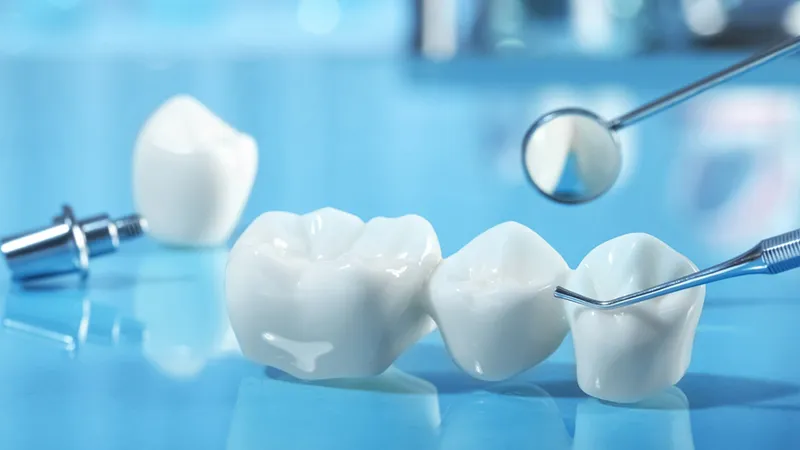
Esthetic Crowns & Bridges
Teeth can become weakened or lost due to decay, trauma, large restorations, or advanced gum disease. When structural damage affects function and appearance, restorative treatment may be necessary to protect remaining tooth structure and restore chewing ability. Esthetic Crowns & Bridges provide durable, natural-looking solutions designed to rebuild or replace teeth while maintaining facial harmony.
At New York S Dental Clinic, located in Jongno-gu, Seoul, crown and bridge treatment is guided by structured diagnosis, conservative preparation principles, and long-term functional planning. Each restoration is customized to balance aesthetics, durability, and oral health stability.
What Are Esthetic Crowns?
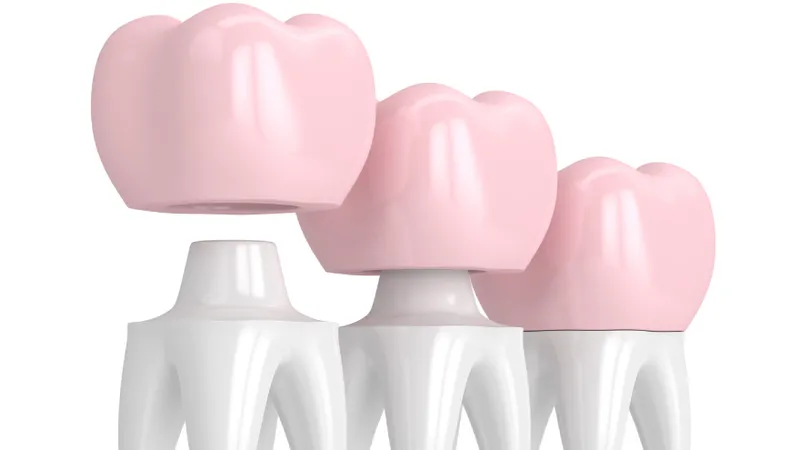
An Esthetic Crown is a custom-made cap placed over a damaged or weakened tooth. It restores:
Tooth strength
Shape and contour
Color and translucency
Bite stability
Crowns are typically recommended when a tooth has:
Extensive decay
Large existing fillings
Cracks or fractures
Undergone root canal treatment
Severe wear
Unlike laminate veneers, crowns cover the entire visible portion of the tooth, providing structural reinforcement in addition to aesthetic enhancement.
What Are Dental Bridges?
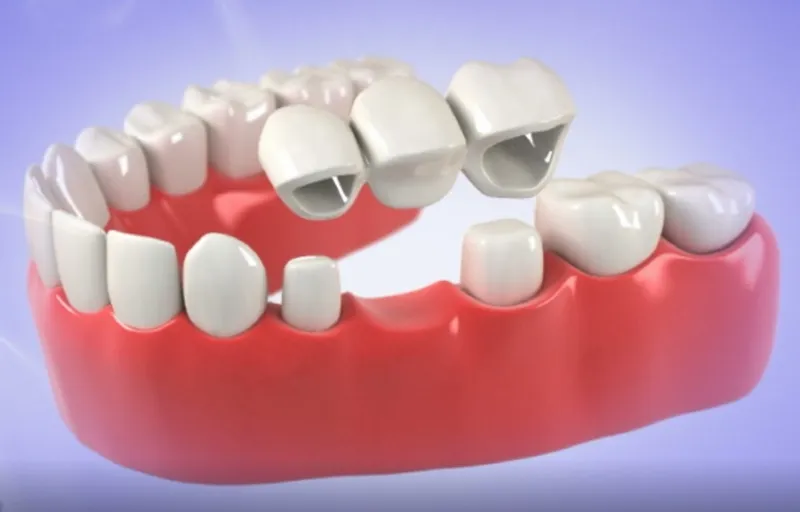
A Dental Bridge is a fixed prosthetic device used to replace one or more missing teeth. It consists of:
Artificial replacement tooth (pontic)
Supporting crowns on adjacent teeth (abutments)
Bridges restore:
Chewing function
Tooth alignment
Aesthetic continuity
Bite balance
They are recommended when implants are not suitable or when adjacent teeth require crowns.
When Are Esthetic Crowns & Bridges Recommended?
Crowns and bridges may be indicated in cases involving:
Severe tooth damage
Root canal–treated teeth requiring protection
Missing teeth affecting function
Structural instability
Compromised bite alignment
Treatment selection depends on the condition of remaining tooth structure and overall oral health.
Materials Used in Esthetic Restorations
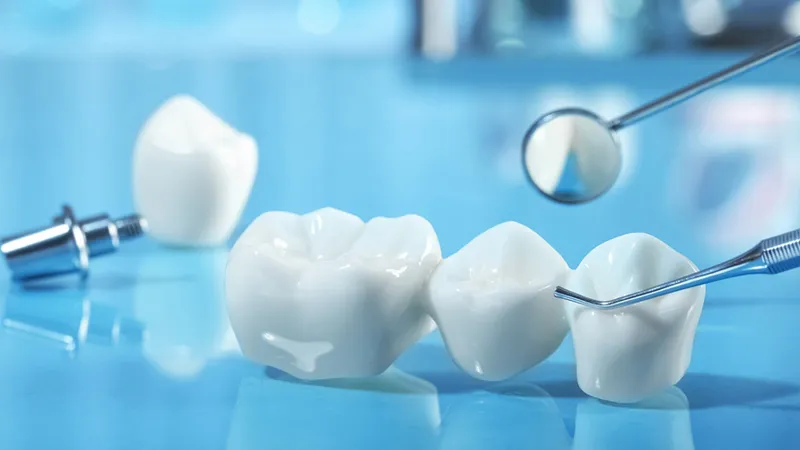
Modern Esthetic Crowns & Bridges are often fabricated from advanced ceramic materials such as zirconia or porcelain-based ceramics.
These materials offer:
Natural translucency
High strength
Biocompatibility
Stain resistance
Long-term durability
Shade matching is carefully performed to harmonize with adjacent natural teeth.
Diagnostic Evaluation Before Treatment
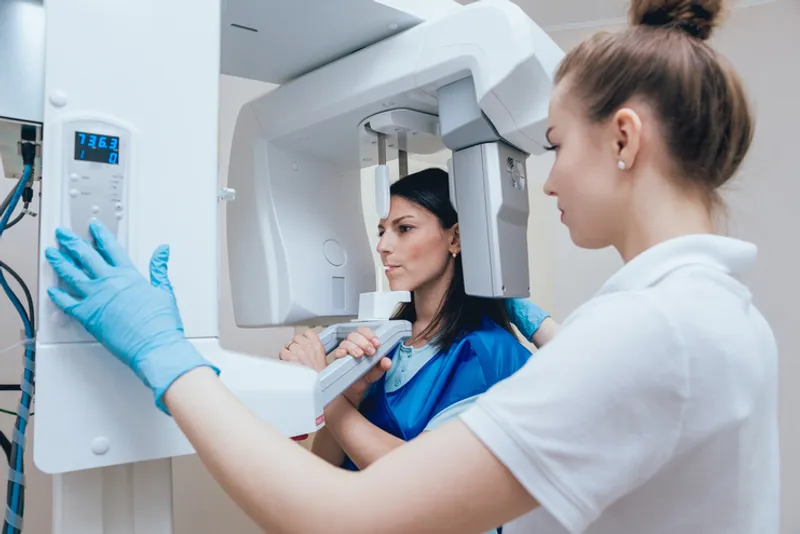
At New York S Dental Clinic, planning for crowns or bridges includes:
Comprehensive dental examination
Evaluation of enamel and dentin integrity
Gum health assessment
Bite (occlusal) analysis
Radiographic imaging
If periodontal disease or infection is present, treatment is completed before restorative work.
Structured planning ensures both aesthetic and functional stability.
Step-by-Step Crown Procedure
1. Initial Assessment
The dentist evaluates the extent of damage and determines whether a crown is appropriate.
2. Tooth Preparation
The damaged tooth is reshaped to accommodate the crown while preserving as much healthy structure as possible.
3. Impression Taking
Precise impressions are made to fabricate a custom restoration.
4. Temporary Crown Placement
A temporary crown may be placed while the final restoration is fabricated.
5. Final Crown Placement
The permanent crown is bonded and adjusted to ensure proper fit and occlusion.
Step-by-Step Bridge Procedure
1. Evaluation of Adjacent Teeth
The supporting teeth are assessed for structural integrity.
2. Preparation of Abutment Teeth
These teeth are reshaped to support the bridge.
3. Impression and Fabrication
A custom bridge is designed to replace the missing tooth.
4. Final Cementation
The bridge is securely bonded and adjusted for bite alignment.
Functional Importance of Crowns & Bridges
Beyond aesthetics, crowns and bridges restore:
Chewing efficiency
Even distribution of bite forces
Protection of weakened teeth
Prevention of adjacent tooth shifting
Replacing missing teeth helps maintain alignment and reduces the risk of further oral complications.
Esthetic Considerations

Modern ceramic restorations are designed to replicate:
Natural translucency
Subtle surface texture
Gradual shade transitions
Balanced proportions
At New York S Dental Clinic, treatment planning includes evaluating:
Lip line
Gum contour
Smile symmetry
Facial proportions
The goal is natural integration rather than artificial brightness.
Longevity and Durability
With proper care, esthetic crowns and bridges can last many years. Longevity depends on:
Oral hygiene habits
Bite forces
Regular dental monitoring
Absence of untreated gum disease
Bruxism (teeth grinding) may reduce restoration lifespan and may require protective measures.
Maintenance and Oral Hygiene
Patients with crowns or bridges should:
Brush and floss daily
Clean around bridge connectors carefully
Attend routine dental check-ups
Monitor for gum inflammation
Proper hygiene prevents decay around crown margins and supports long-term success.
Crowns & Bridges vs. Dental Implants
In cases of missing teeth, alternatives include Dental Implants. Implants replace the root structure and do not require adjacent tooth preparation.
Bridges may be considered when:
Adjacent teeth already require crowns
Implant placement is not feasible
Bone support is insufficient
Treatment selection depends on comprehensive clinical evaluation.
Safety and Clinical Considerations
When performed with proper diagnosis, Esthetic Crowns & Bridges are safe and predictable treatments.
Potential risks include:
Temporary sensitivity
Gum irritation
Marginal leakage if hygiene is inadequate
Wear over time
Structured planning and regular maintenance reduce complications.
At New York S Dental Clinic, restorative treatment emphasizes conservative tooth preparation and long-term stability.
Considerations for International Patients
For patients traveling to Seoul:
Crown and bridge procedures may require multiple visits
Temporary restorations are typically placed
Final cementation occurs after fabrication
Follow-up evaluation ensures comfort and function
Clear scheduling supports treatment continuity.
Realistic Expectations
Patients considering Esthetic Crowns & Bridges should understand:
Tooth preparation is irreversible
Long-term maintenance is essential
Restorations may require replacement after years of use
Balanced function and aesthetics are prioritized
Clear communication helps align expectations with clinical outcomes.
Conclusion
Esthetic Crowns & Bridges in Jongno-gu, Seoul provide durable and natural-looking solutions for restoring damaged or missing teeth. By combining structural reinforcement with advanced ceramic materials, these restorations enhance both function and smile harmony.
At New York S Dental Clinic, treatment planning is guided by comprehensive diagnosis, conservative preparation, and patient-centered care. Through careful evaluation and structured protocols, the clinic focuses on achieving stable, functional, and aesthetically balanced results suitable for both local and international patients.