English-Speaking, U.S.-Trained Dental Care in Jongno-gu, Seoul | +82 2-735-2859
en-US

Emergency Dental Care
Emergency Dental Care in Jongno-gu, Seoul provides rapid diagnosis and treatment for severe tooth pain, infection, trauma, and urgent dental conditions.

Emergency Dental Care

Dental emergencies can occur unexpectedly and often involve significant pain, swelling, infection, or trauma. Immediate evaluation is important to prevent worsening symptoms and protect surrounding teeth and tissues. Emergency Dental Care provides timely diagnosis and treatment for urgent dental conditions, aiming to relieve discomfort and stabilize oral health.
At New York S Dental Clinic, located in Jongno-gu, Seoul, emergency dental evaluation is guided by structured clinical examination and radiographic imaging when necessary. Treatment decisions focus on addressing the immediate concern while planning for long-term stability.
What Is Considered a Dental Emergency?
A dental emergency involves conditions that require prompt professional care to prevent complications. These may include:
Severe toothache
Swelling of the gums or face
Broken or fractured teeth
Knocked-out teeth
Sudden infection
Bleeding that does not stop
Trauma affecting teeth or jaw
Not all dental discomfort qualifies as an emergency, but persistent or worsening symptoms should be evaluated promptly.
Common Causes of Dental Emergencies
Dental emergencies may arise from:
Advanced tooth decay
Untreated gum disease
Trauma or injury
Cracked or fractured restorations
Impacted or infected wisdom teeth
Sudden flare-up of chronic conditions
Early preventive care reduces the risk of urgent complications.
Severe Toothache
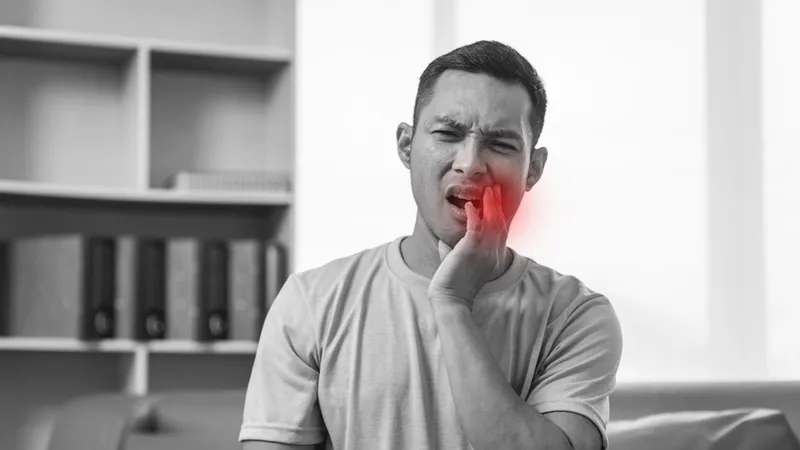
One of the most common reasons patients seek Emergency Dental Care is severe tooth pain. Pain may indicate:
Deep cavity reaching the pulp
Acute pulp infection
Abscess formation
Advanced gum inflammation
Diagnostic evaluation determines whether treatment involves resin filling, root canal therapy, or extraction.
Prompt intervention helps relieve pain and prevent infection spread.
Dental Infection and Swelling
Swelling of the gums, jaw, or face may indicate infection. Dental infections can progress quickly and may affect surrounding bone and tissues.
Signs of infection include:
Throbbing pain
Swelling
Redness
Fever in advanced cases
Emergency care focuses on removing the source of infection through procedures such as root canal treatment or extraction.
Broken or Fractured Teeth
Teeth may fracture due to trauma, biting hard objects, or weakened enamel.
Depending on the extent of damage, treatment options may include:
Composite bonding
Ceramic inlay or onlay
Crown placement
Extraction in severe cases
Radiographic evaluation helps assess root involvement.
Immediate care reduces the risk of infection.
Knocked-Out (Avulsed) Teeth
A tooth that has been completely displaced from the socket requires immediate attention.
Prompt management improves the likelihood of successful reimplantation. Patients should seek professional care as soon as possible.
Stabilization and evaluation are critical in such cases.
Wisdom Tooth Emergencies
Partially erupted wisdom teeth may cause:
Pericoronitis (gum infection)
Swelling
Difficulty opening the mouth
Recurrent pain
Emergency evaluation may lead to medication, cleaning, or planned surgical removal.
Diagnostic Process During Emergency Visits
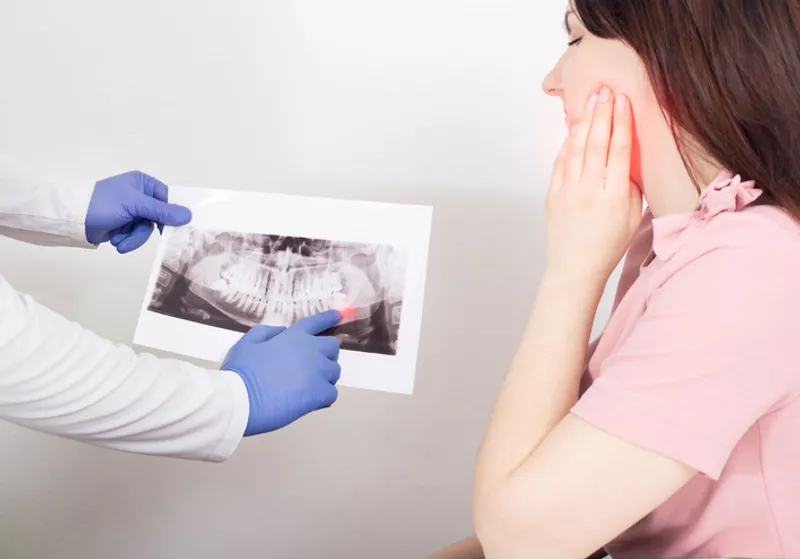
At New York S Dental Clinic, emergency evaluation includes:
1. Symptom Assessment
Understanding the duration, intensity, and location of pain.
2. Clinical Examination
Inspection of teeth, gums, and surrounding tissues.
3. Radiographic Imaging
X-rays help identify hidden decay, abscesses, or fractures.
4. Bite Analysis
Evaluation of occlusion if trauma or fracture is involved.
Rapid but thorough diagnosis ensures accurate treatment.
Emergency Treatment Approaches
Treatment depends on the specific condition.
Root Canal Treatment
Used when infection affects the pulp but the tooth can be preserved.
Tooth Extraction
Performed when the tooth cannot be restored.
Resin Filling
For moderate cavities causing discomfort.
Splinting
Stabilizes displaced or mobile teeth.
Temporary Restoration
Protects exposed structures until definitive treatment is completed.
The priority is pain relief and infection control.
Pain Management in Emergency Care
Pain control may involve:
Local anesthesia
Removal of infected tissue
Occlusal adjustment
Medication when appropriate
Addressing the source of pain is more effective than masking symptoms.
Post-Emergency Follow-Up
Emergency treatment often stabilizes the condition, but definitive care may require follow-up.
Examples include:
Crown placement after root canal therapy
Implant planning after extraction
Monitoring healing of injured tissues
Clear communication ensures continuity of care.
Safety and Clinical Considerations
Emergency dental procedures are generally safe when guided by structured evaluation.
Potential temporary effects include:
Swelling
Sensitivity
Mild discomfort
Prompt care reduces risk of complications.
At New York S Dental Clinic, emergency management emphasizes accurate diagnosis and careful treatment planning.
Preventing Dental Emergencies
Preventive strategies reduce the likelihood of urgent care:
Regular oral examinations
Professional scaling
Early cavity treatment
Managing gum disease
Addressing bite imbalance
Preventive care minimizes unexpected complications.
Emergency Dental Care and Medical Tourism
For international patients visiting Seoul, unexpected dental issues may arise during travel.
Emergency dental services provide:
Immediate assessment
Stabilization
Short-term treatment
Clear instructions for follow-up
Effective communication supports safe travel planning.
When to Seek Immediate Care
Patients should seek urgent evaluation if they experience:
Severe, persistent tooth pain
Swelling affecting breathing or swallowing
Trauma resulting in tooth displacement
Uncontrolled bleeding
Timely care prevents escalation.
Realistic Expectations

Patients seeking Emergency Dental Care should understand:
Immediate relief is prioritized
Additional treatment may be necessary
Early intervention improves outcomes
Delayed care increases risk
Open discussion supports informed decisions.
Conclusion
Emergency Dental Care in Jongno-gu, Seoul provides rapid diagnosis and structured treatment for urgent dental conditions. Whether addressing severe toothache, infection, fracture, or trauma, timely intervention protects overall oral health and prevents complications.
At New York S Dental Clinic, emergency management is guided by thorough clinical evaluation and patient-centered planning. By focusing on pain relief, infection control, and long-term stability, the clinic supports safe and effective care for both local residents and international patients requiring urgent dental attention.