English-Speaking, U.S.-Trained Dental Care in Jongno-gu, Seoul | +82 2-735-2859
en-US

Dental Fillings (Resin Treatment)
Dental Fillings (Resin Treatment) in Jongno-gu, Seoul restore cavities with tooth-colored composite to preserve enamel and prevent further decay.

Dental Fillings (Resin Treatment)
Tooth decay is one of the most common oral health concerns worldwide. When cavities are detected early, conservative treatment can prevent progression to deeper layers of the tooth. Dental Fillings (Resin Treatment) offer a minimally invasive method to remove decayed tissue and restore tooth structure while maintaining a natural appearance.
At New York S Dental Clinic, located in Jongno-gu, Seoul, cavity treatment is guided by early diagnosis, structured clinical evaluation, and enamel preservation principles. Resin fillings are commonly recommended for mild to moderate decay when timely intervention is possible.
Understanding Tooth Decay
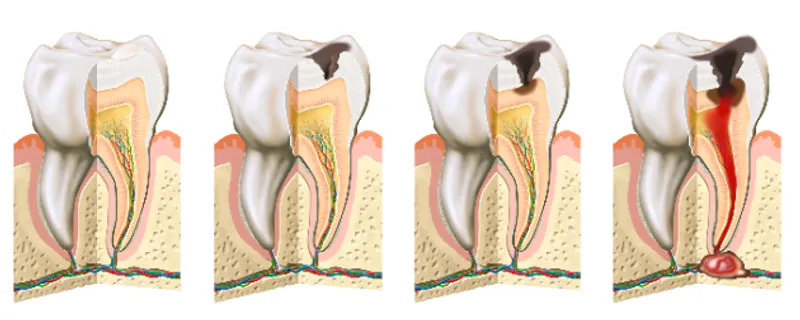
Tooth decay develops when bacteria in dental plaque produce acids that gradually demineralize enamel. If untreated, decay progresses through stages:
Initial enamel demineralization
Enamel cavity formation
Dentin involvement
Pulp infection (requiring root canal treatment)
Because permanent teeth do not regenerate naturally, early detection and intervention are essential to preserve long-term oral health.
Routine dental examinations help identify cavities before symptoms become severe.
What Are Dental Fillings (Resin Treatment)?
Dental Fillings (Resin Treatment) use tooth-colored composite resin material to restore areas affected by decay. After removing the decayed portion, the cavity is filled and sealed to:
Restore tooth shape
Prevent bacterial re-entry
Maintain chewing function
Preserve surrounding enamel
Resin fillings are often preferred in visible areas due to their natural appearance.
When Is Resin Filling Recommended?
Resin treatment may be appropriate when:
Cavities are limited to enamel or dentin
Tooth structure remains largely intact
Early intervention prevents deeper infection
Aesthetic considerations are important
Same-day restoration is desired
If decay has reached the pulp, root canal treatment may be required instead.
Accurate diagnosis determines the appropriate treatment plan.
Advantages of Composite Resin Fillings
Resin fillings provide several clinical benefits:
Tooth-colored material blends with natural enamel
Minimal removal of healthy tooth structure
Direct bonding to enamel for added support
Completed in a single visit
Suitable for small to moderate cavities
Because composite resin bonds directly to the tooth, it reinforces the remaining structure.
Diagnostic Process Before Filling Treatment
At New York S Dental Clinic, cavity assessment includes:
Clinical visual examination
Radiographic imaging (X-ray evaluation)
Evaluation of sensitivity symptoms
Assessment of gum health
Bite (occlusal) analysis
Early-stage decay may be monitored if progression has halted. Treatment is recommended when active decay is confirmed.
Accurate diagnosis prevents unnecessary intervention.
Step-by-Step Resin Filling Procedure
1. Local Anesthesia (If Necessary)
Anesthesia may be administered to ensure comfort during decay removal.
2. Removal of Decayed Tissue
The dentist carefully removes the infected portion of the tooth while preserving healthy enamel.
3. Cavity Preparation
The cavity is cleaned and prepared to enhance bonding.
4. Resin Application
Tooth-colored composite material is applied in layers.
5. Light Curing
A special curing light hardens each resin layer.
6. Shaping and Polishing
The filling is shaped to match natural contours and polished for smoothness.
7. Bite Adjustment
Occlusion is checked to ensure even chewing forces.
The procedure is typically completed in one appointment.
Aesthetic Considerations

One of the primary benefits of resin fillings is their aesthetic compatibility. Composite material can be shade-matched to blend seamlessly with surrounding enamel.
This makes resin treatment especially suitable for:
Front teeth
Visible premolars
Patients seeking natural appearance
The result is functional restoration without visible metal.
Functional Stability and Bite Balance
Proper occlusal adjustment ensures:
Even force distribution
Reduced stress on filled areas
Long-term durability
If bite forces are unbalanced, fillings may wear prematurely or fracture.
Careful adjustment minimizes these risks.
Longevity of Resin Fillings
With proper care, composite fillings can last several years. Longevity depends on:
Oral hygiene habits
Cavity size
Bite forces
Regular dental evaluations
Large fillings may experience wear over time and could require replacement.
Routine monitoring ensures early detection of marginal leakage or secondary decay.
Preventing Future Decay

After resin treatment, preventing further decay is essential. Patients are advised to:
Brush twice daily
Floss regularly
Limit sugary foods and beverages
Attend routine dental check-ups
Because cavities can recur around restoration margins, ongoing preventive care is critical.
Resin Fillings vs. Inlays & Onlays
For moderate decay affecting larger portions of the tooth, ceramic inlays or onlays may be considered.
Resin Fillings
Suitable for small to moderate cavities
Completed in one visit
Cost-effective
Ceramic Inlays & Onlays
Fabricated indirectly in a laboratory
Greater durability for larger restorations
Enhanced marginal precision
Treatment selection depends on cavity size and structural needs.
Safety and Clinical Considerations
Resin filling treatment is considered safe and minimally invasive.
Potential temporary effects may include:
Mild post-treatment sensitivity
Slight discomfort during anesthesia
Temporary bite adjustment sensations
Careful technique and precise bonding reduce complications.
At New York S Dental Clinic, cavity treatment emphasizes conservative removal of decay and preservation of natural structure.
Importance of Early Detection
Early-stage cavities often produce no symptoms. Regular dental check-ups allow:
Identification of small lesions
Monitoring of arrested decay
Prevention of deeper infection
Avoidance of root canal treatment
Prompt intervention minimizes structural damage.
Considerations for International Patients
For patients visiting Seoul:
Resin filling procedures are typically completed in one visit
Follow-up may be recommended
Clear diagnosis ensures efficient treatment planning
Short treatment time makes resin restoration suitable for medical tourism patients with limited stays.
Realistic Expectations
Patients considering Dental Fillings (Resin Treatment) should understand:
Fillings restore structure but do not prevent future decay
Replacement may be required after several years
Proper oral hygiene is essential
Early treatment improves long-term outcomes
Open communication ensures informed decisions.
Conclusion
Dental Fillings (Resin Treatment) in Jongno-gu, Seoul provide a conservative and effective solution for restoring teeth affected by early to moderate decay. By removing infected tissue and sealing the cavity with tooth-colored composite material, this treatment preserves natural tooth structure and maintains function.
At New York S Dental Clinic, cavity treatment is guided by early diagnosis, enamel preservation principles, and structured bite evaluation. Through careful planning and precise resin application, the clinic focuses on delivering durable, natural-looking restorations that support long-term oral health for both local and international patients.