English-Speaking, U.S.-Trained Dental Care in Jongno-gu, Seoul | +82 2-735-2859
en-US

Composite Bonding
Composite Bonding in Jongno-gu, Seoul repairs chips, gaps, and minor imperfections with tooth-colored resin for natural, minimally invasive smile enhancement.

Composite Bonding
Small chips, gaps, or surface irregularities can affect both the appearance and function of teeth. When structural damage is minor and enamel remains largely intact, Composite Bonding offers a conservative and effective treatment option. By applying tooth-colored resin directly to the enamel, dentists can restore shape, improve aesthetics, and protect vulnerable areas without extensive preparation.
At New York S Dental Clinic, located in Jongno-gu, Seoul, composite bonding treatment is guided by careful diagnosis, enamel preservation principles, and long-term oral health considerations. The clinic emphasizes conservative intervention and functional stability in every restorative plan.
What Is Composite Bonding?
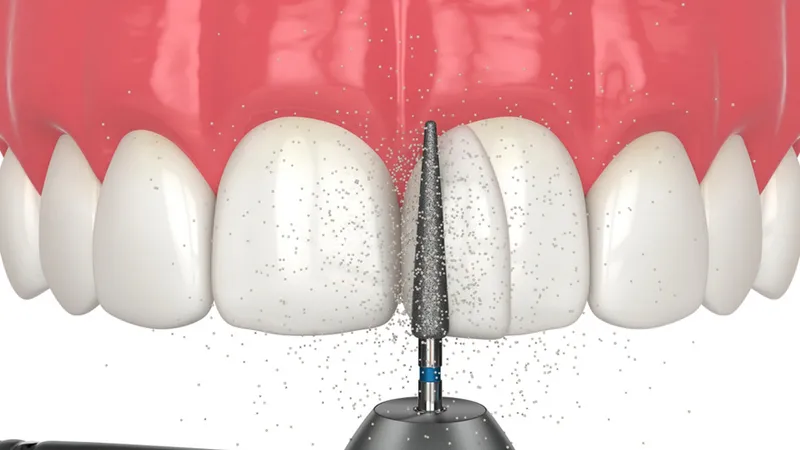
Composite Bonding is a dental procedure that involves applying a tooth-colored resin material to the surface of a tooth. The resin is shaped, sculpted, and hardened using a special curing light, bonding it securely to enamel.
Composite bonding may be used to:
Repair chipped teeth
Close small gaps
Improve minor alignment irregularities
Restore worn edges
Cover localized discoloration
Repair small cavities
Because the resin is applied directly to the tooth surface, the procedure typically requires little to no enamel removal.
When Is Composite Bonding Recommended?
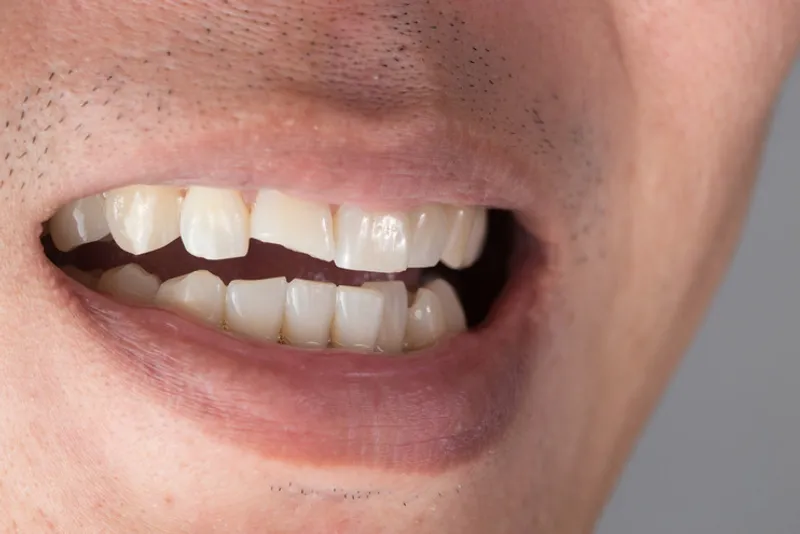
Composite bonding may be appropriate for patients who:
Have minor cosmetic imperfections
Experience small enamel fractures
Want conservative aesthetic correction
Prefer a non-invasive alternative to veneers
Need minor reshaping after orthodontic treatment
It is generally not recommended for:
Large structural fractures
Severe misalignment
Extensive discoloration
Teeth requiring full structural reinforcement
Comprehensive evaluation determines suitability.
Advantages of Composite Bonding
Composite bonding offers several clinical benefits:
Minimal enamel removal
Usually completed in a single visit
Immediate aesthetic improvement
No need for laboratory fabrication
Reversible in many cases
Because the procedure is conservative, it preserves the natural tooth structure.
Diagnostic Evaluation Before Bonding
At New York S Dental Clinic, treatment planning begins with:
Review of medical and dental history
Clinical examination of enamel integrity
Assessment of gum health
Evaluation of bite (occlusion)
Shade matching for natural appearance
If gum disease or active decay is present, these conditions are treated prior to bonding.
Proper case selection ensures predictable results.
Step-by-Step Composite Bonding Procedure
1. Consultation and Assessment
The dentist evaluates the tooth condition and discusses aesthetic goals.
2. Shade Selection
The composite resin shade is carefully matched to surrounding natural teeth.
3. Surface Preparation
The enamel surface is gently prepared to enhance bonding.
4. Resin Application
The composite material is applied in layers and sculpted to the desired shape.
5. Light Curing
A special curing light hardens the material, bonding it to the tooth.
6. Polishing and Adjustment
The restoration is polished and adjusted to ensure smoothness and bite balance.
The procedure is typically completed within one appointment.
Aesthetic Considerations

Composite bonding allows precise control over:
Tooth contour
Surface texture
Edge length
Proportion and symmetry
The material can be layered to mimic the translucency and color variation of natural enamel.
At New York S Dental Clinic, attention is given to facial harmony, gum contour, and overall smile balance.
Functional Stability and Bite Evaluation
While composite bonding improves appearance, proper occlusion is equally important.
Before final polishing, the dentist ensures:
Even bite contact
Absence of excessive force on bonded areas
Smooth transition between restoration and natural enamel
Balanced occlusion helps prevent premature wear or fracture.
Longevity and Durability
Composite bonding can last several years with proper care. Longevity depends on:
Oral hygiene habits
Bite forces
Avoidance of hard biting habits
Regular dental evaluations
Compared to porcelain veneers, composite resin may be more prone to staining and wear over time.
Periodic maintenance or touch-up may be required.
Maintenance and Oral Hygiene

To maintain composite bonding results, patients are advised to:
Brush twice daily
Floss regularly
Avoid biting hard objects
Limit staining beverages
Schedule professional cleanings
Proper hygiene reduces discoloration and prolongs restoration lifespan.
Composite Bonding vs. Laminate Veneers
Both composite bonding and laminate veneers address aesthetic concerns, but there are differences:
Composite Bonding
Direct application in one visit
Minimal enamel removal
Lower cost
Easier repair
Laminate Veneers
Laboratory-fabricated ceramic
Greater stain resistance
Longer durability
More extensive preparation
Treatment selection depends on structural needs and aesthetic goals.
Safety and Clinical Considerations
When performed under proper supervision, composite bonding is considered safe.
Potential concerns include:
Temporary sensitivity
Resin staining over time
Minor chipping under excessive force
Careful case selection and bite evaluation reduce complications.
At New York S Dental Clinic, conservative enamel preservation and individualized planning are emphasized.
Composite Bonding and Medical Tourism
For international patients, composite bonding is often suitable for short stays because:
The procedure is typically completed in one visit
No laboratory wait time is required
Immediate results are achieved
However, follow-up care may still be necessary.
Clear communication ensures realistic expectations.
Realistic Expectations
Patients considering Composite Bonding should understand:
The material may discolor gradually
Maintenance is required
Longevity varies depending on habits
Minor repairs may be needed over time
Composite bonding enhances aesthetics but does not permanently alter tooth structure.
Conclusion
Composite Bonding in Jongno-gu, Seoul provides a conservative and effective solution for repairing minor chips, gaps, and surface imperfections. By applying tooth-colored resin directly to enamel, this procedure restores shape and improves smile aesthetics while preserving natural tooth structure.
At New York S Dental Clinic, bonding treatment is guided by comprehensive diagnosis, minimal intervention, and functional bite analysis. Through structured planning and careful execution, the clinic focuses on achieving natural-looking, durable, and patient-centered results suitable for both local and international patients.