English-Speaking, U.S.-Trained Dental Care in Jongno-gu, Seoul | +82 2-735-2859
en-US

Ceramic Inlays & Onlays
Ceramic Inlays & Onlays in Jongno-gu, Seoul restore moderately damaged teeth with durable, natural-looking ceramic while preserving healthy tooth structure.
Ceramic Inlays & Onlays
When a tooth is affected by moderate decay or fracture, but not severely damaged enough to require a full crown, a conservative restorative solution may be appropriate. Ceramic Inlays & Onlays provide a durable and aesthetic method to restore function while preserving as much healthy tooth structure as possible.
At New York S Dental Clinic, located in Jongno-gu, Seoul, restorative treatment planning emphasizes enamel preservation, functional stability, and long-term durability. Ceramic inlays and onlays are recommended when structural reinforcement is needed but complete coverage is unnecessary.
What Are Ceramic Inlays & Onlays?
Ceramic Inlays & Onlays are indirect restorations fabricated outside the mouth and bonded to the tooth to repair moderate structural damage.
Inlays fit within the grooves of the tooth, restoring areas between the cusps.
Onlays extend over one or more cusps, covering a larger portion of the chewing surface.
Both are custom-made from high-strength ceramic materials designed to replicate natural enamel appearance and function.
When Are Inlays & Onlays Recommended?
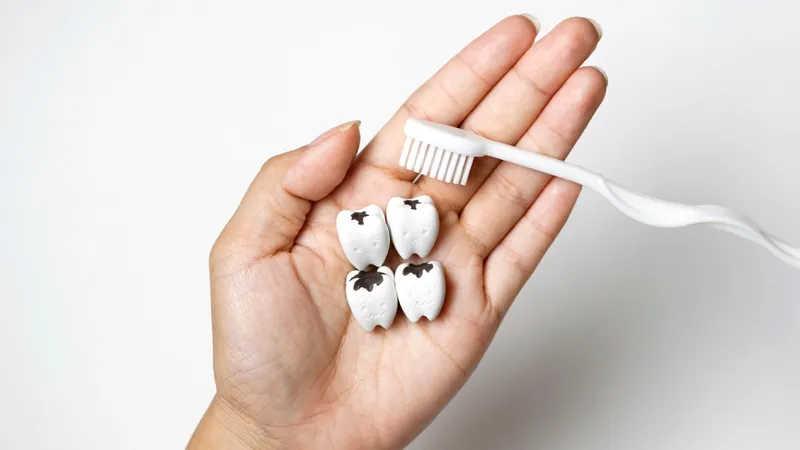
Ceramic inlays and onlays may be indicated when:
Tooth decay is too extensive for a simple filling
A previous filling has failed
A tooth has moderate structural damage
Cusps are weakened but not completely fractured
Preservation of healthy tooth structure is preferred
They are often recommended as an alternative to full crowns when the remaining tooth structure is sufficient.
Why Choose Ceramic Over Traditional Fillings?
Traditional direct composite fillings are applied in a single visit and are suitable for small cavities. However, for larger restorations:
Direct fillings may shrink slightly during curing
Marginal gaps may develop over time
Durability may be limited
Ceramic Inlays & Onlays are fabricated outside the mouth under controlled laboratory conditions, providing:
Precise fit
Enhanced strength
Superior marginal integrity
Improved long-term stability
Ceramic Inlays & Onlays vs. Dental Crowns
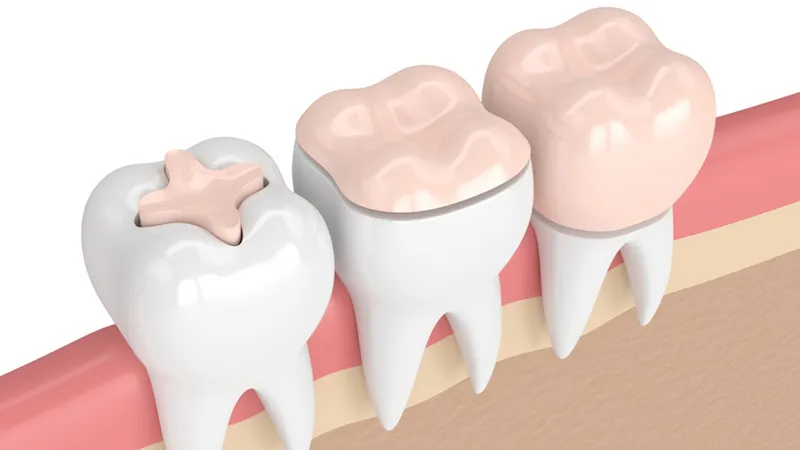
When deciding between an onlay and a crown, the primary consideration is the extent of tooth damage.
Ceramic Inlays & Onlays
Preserve more natural tooth structure
Require less extensive preparation
Provide targeted reinforcement
Dental Crowns
Cover the entire visible tooth
Used when structural damage is severe
Offer complete coverage protection
Choosing the most conservative option supports long-term tooth preservation.
Diagnostic Evaluation Before Treatment
At New York S Dental Clinic, planning for inlays or onlays includes:
Clinical examination of the tooth
Evaluation of decay extent
Assessment of enamel and dentin integrity
Bite (occlusal) analysis
Radiographic imaging when necessary
If gum inflammation or infection is present, treatment is completed before restorative procedures.
Accurate diagnosis ensures proper case selection.
Step-by-Step Ceramic Inlay & Onlay Procedure
1. Initial Assessment
The dentist evaluates the damaged tooth and determines whether an inlay or onlay is appropriate.
2. Tooth Preparation
Decayed or weakened portions are removed while preserving healthy structure.
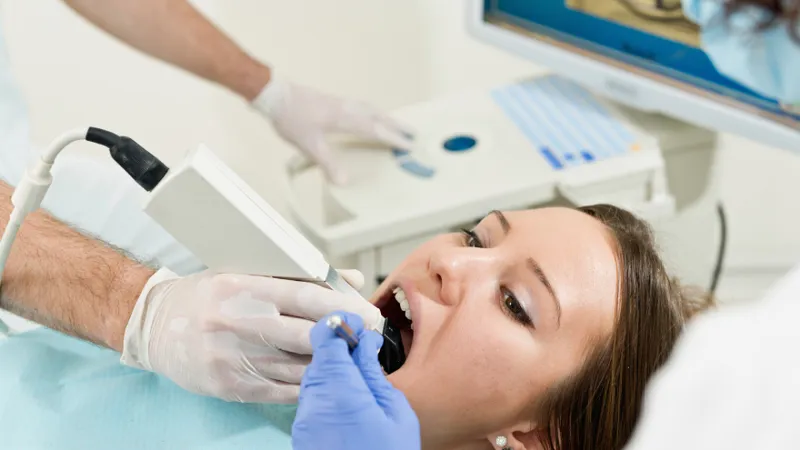
3. Impression Taking
Precise impressions are taken to fabricate a custom ceramic restoration.
4. Temporary Restoration
A temporary filling may be placed while the final restoration is fabricated.
5. Fabrication
The inlay or onlay is crafted to match the patient’s tooth color and anatomy.
6. Bonding
The ceramic restoration is bonded to the tooth using dental adhesive systems.
7. Final Adjustment
Bite alignment is checked and adjusted to ensure proper function.
Aesthetic and Functional Advantages
Ceramic materials provide:
Natural translucency
Color stability
High compressive strength
Smooth surface finish
Inlays and onlays restore chewing function and distribute forces evenly, reducing stress on weakened cusps.
At New York S Dental Clinic, attention is given to:
Proper occlusal balance
Marginal precision
Preservation of enamel
Longevity and Durability
With proper care, ceramic inlays and onlays can last many years. Longevity depends on:
Oral hygiene practices
Bite forces
Regular dental check-ups
Absence of untreated gum disease
Ceramic materials are resistant to staining and wear, offering long-term aesthetic stability.
Maintenance and Oral Hygiene
Patients with ceramic restorations should:
Brush and floss daily
Clean carefully around restoration margins
Avoid excessive biting forces
Attend routine professional cleanings
Proper maintenance reduces the risk of secondary decay.
Safety and Clinical Considerations
Ceramic inlays and onlays are considered safe when placed under proper diagnosis and technique.
Potential concerns include:
Temporary sensitivity
Debonding (rare with proper bonding)
Fracture under extreme force
Careful preparation and adhesive protocols significantly reduce complications.
At New York S Dental Clinic, restorative planning emphasizes conservative intervention and structural stability.
Indirect Restorations and Tooth Preservation
One of the major benefits of ceramic inlays and onlays is conservation of natural tooth structure.
Preserving enamel and dentin helps:
Maintain long-term strength
Reduce risk of root canal treatment
Support overall oral health
Conservative restorative dentistry aims to delay or avoid more extensive procedures whenever possible.
Considerations for International Patients
For patients traveling to Seoul:
Ceramic inlays and onlays typically require at least two visits
Temporary restorations are placed during fabrication
Final bonding occurs after laboratory completion
Follow-up evaluation ensures comfort and function
Clear scheduling ensures smooth treatment planning.
Realistic Expectations
Patients considering Ceramic Inlays & Onlays should understand:
Tooth preparation is irreversible
Restoration longevity depends on care
Regular maintenance is necessary
Functional balance is prioritized alongside aesthetics
Open communication supports predictable outcomes.
Conclusion
Ceramic Inlays & Onlays in Jongno-gu, Seoul provide a conservative and durable solution for restoring moderately damaged teeth. By preserving natural structure and reinforcing weakened areas with custom ceramic restorations, this treatment enhances both function and aesthetics.
At New York S Dental Clinic, restorative care is guided by comprehensive diagnosis, enamel preservation principles, and structured bite evaluation. Through careful planning and precise bonding techniques, the clinic focuses on achieving stable, long-lasting, and natural-looking results for patients seeking minimally invasive tooth restoration.