English-Speaking, U.S.-Trained Dental Care in Jongno-gu, Seoul | +82 2-735-2859
en-US

Gum Disease Treatment (Periodontics) in Jongno-gu, Seoul
Expert gum disease treatment (periodontics) in Jongno-gu, Seoul. Discover advanced care, symptoms, and prevention tips. Book your consultation today.

Gum Disease Treatment (Periodontics) in Jongno-gu, Seoul

Gum disease, medically known as periodontal disease, is one of the leading causes of tooth loss in adults. At New York S Dental Clinic in Jongno-gu, Seoul (Somerset Palace Seoul Hotel), periodontal treatment is guided by structured diagnosis, minimally invasive techniques, and a strong emphasis on long-term oral health preservation. Under the leadership of Dr. KyungJin Kim, an experienced periodontology specialist, patients receive scientifically grounded gum disease treatment tailored to their individual condition.
Understanding Gum Disease (Periodontitis)
What Is Gum Disease?
Gum disease is a chronic inflammatory condition affecting the tissues that support the teeth, including the gums, periodontal ligament, and alveolar bone. It typically begins as gingivitis, characterized by redness, swelling, and bleeding during brushing. Without proper treatment, it may progress to periodontitis, where bacterial infection leads to gum recession, bone destruction, and eventual tooth mobility.
Common Signs and Symptoms
Patients experiencing periodontal disease may notice:
Bleeding gums during brushing or flossing
Persistent bad breath
Gum swelling or tenderness
Gum recession (teeth appearing longer)
Loose or shifting teeth
Because gum disease often progresses silently, early diagnosis through professional examination is critical.
Causes and Risk Factors
The primary cause of gum disease is bacterial plaque accumulation along and below the gum line. When plaque is not adequately removed, it hardens into tartar (calculus), which cannot be eliminated through regular brushing alone.
Additional risk factors include:
Smoking
Diabetes
Poor oral hygiene
Genetic predisposition
Hormonal changes
Chronic systemic conditions
At New York S Dental Clinic, advanced digital imaging and periodontal assessment tools are used to identify bone loss and pocket depth accurately before recommending treatment.
Comprehensive Gum Disease Treatment in Seoul
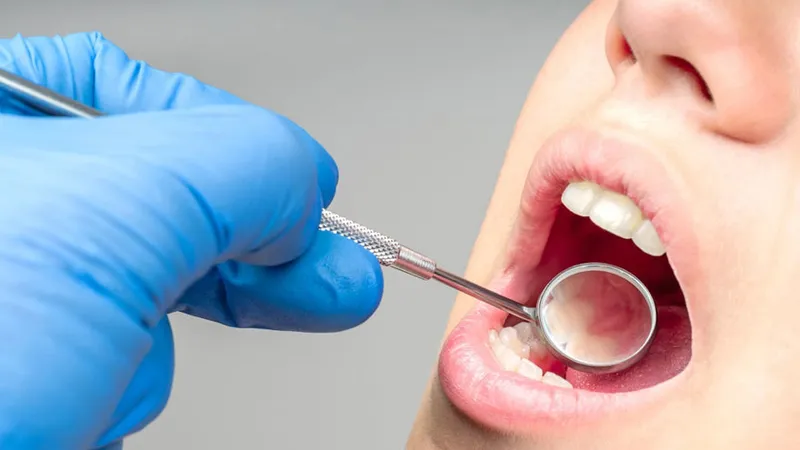
1. Non-Surgical Periodontal Therapy
For early to moderate periodontitis, scaling and root planing (deep cleaning) is often the first step. This procedure removes bacterial deposits and smooths the root surfaces to prevent further plaque accumulation.
Benefits include:
Reduced gum inflammation
Decreased pocket depth
Slowed disease progression
Preservation of natural teeth
Ultrasonic instruments and minimally invasive techniques help improve patient comfort while maintaining precision.
2. Periodontal Surgical Treatment
In more advanced cases, surgical intervention may be necessary. Procedures may include:
Flap surgery to access deep infection
Regenerative procedures to restore lost bone
Guided tissue regeneration (GTR)
Bone grafting when indicated
Dr. KyungJin Kim’s background in periodontal surgery allows for structured surgical planning focused on restoring both function and structural stability.
Who Is a Candidate for Periodontal Treatment?
Periodontal therapy may be recommended for individuals who:
Show clinical signs of moderate to advanced periodontitis
Have persistent gum inflammation despite regular cleaning
Are preparing for dental implants
Have systemic conditions that increase periodontal risk
Patients with dental implants also require careful periodontal monitoring to prevent peri-implantitis, a condition similar to gum disease around implants.
Step-by-Step Periodontal Treatment Process
1. Comprehensive Diagnosis
At New York S Dental Clinic, evaluation includes:
Digital X-rays and 3D CT imaging (when necessary)
Periodontal pocket depth measurement
Bone level assessment
Review of medical history
Accurate diagnosis ensures treatment recommendations are based on clinical necessity rather than routine protocol.
2. Initial Infection Control
Deep cleaning procedures are performed under local anesthesia when required. The goal is to eliminate bacterial deposits and reduce inflammation.
3. Re-evaluation Phase
After initial therapy, gum healing and pocket reduction are reassessed. If inflammation persists, further treatment or surgical intervention may be discussed.
4. Maintenance and Long-Term Monitoring
Periodontal disease requires structured maintenance. Customized recall intervals—often every 3–4 months—are established to prevent recurrence and protect bone stability.
Dr. KyungJin Kim’s Periodontal Expertise
Dr. KyungJin Kim, D.D.S., M.S., Ph.D., completed his internship and residency in Periodontology at Seoul National University Dental Hospital and has served as a Clinical Professor in the Department of Periodontology at Seoul National University. With decades of clinical experience and leadership roles in the Korean Association of Periodontology, he brings academic rigor and surgical precision to periodontal care.
His clinical focus includes:
Periodontal surgery
Regenerative gum procedures
Implantology
Long-term periodontal maintenance planning
This background supports evidence-based treatment decisions and careful surgical execution when necessary.
Why Choose New York S Dental Clinic for Gum Treatment?
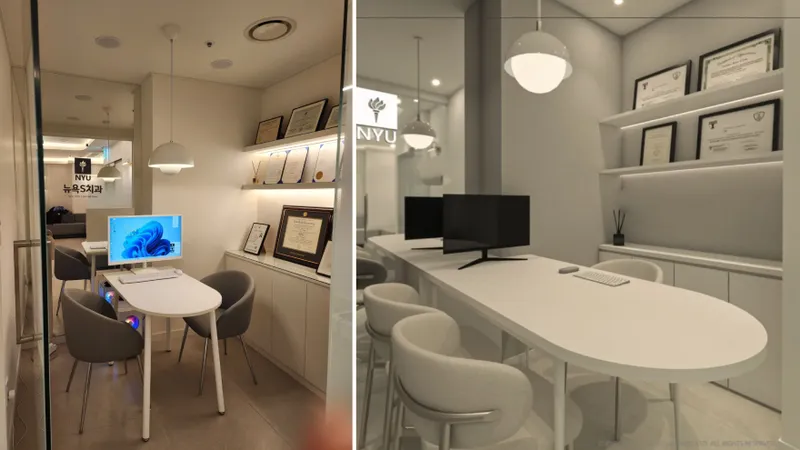
Located inside Somerset Palace Seoul Hotel in Jongno-gu, the clinic provides a clean, structured, and patient-focused environment suitable for local residents, expatriates, diplomats, and international visitors.
Key Strengths:
English-speaking dental team
Internationally trained clinicians
Advanced 3D CT and digital imaging systems
Minimally invasive treatment philosophy
Emphasis on natural tooth preservation
The clinic’s approach prioritizes biological stability over aggressive intervention. Treatment recommendations are based strictly on long-term oral health benefit.
Recovery, Safety, and Realistic Outcomes
What to Expect After Treatment
Following non-surgical therapy, mild gum sensitivity may occur for several days. Patients are typically advised to:
Maintain gentle oral hygiene
Use recommended antimicrobial rinses
Attend scheduled follow-ups
After surgical procedures, minor swelling or discomfort is normal and typically resolves within a week. Healing times vary depending on disease severity and individual health conditions.
Long-Term Outlook
With consistent maintenance and good oral hygiene, periodontal treatment can:
Stabilize bone levels
Reduce pocket depth
Prevent further tooth loss
Improve overall oral health
However, gum disease is a chronic condition. Ongoing professional care and patient cooperation are essential for long-term success.
The Importance of Early Periodontal Care
Untreated gum disease has been associated with broader health concerns, including cardiovascular conditions and diabetes management challenges. Early intervention not only protects teeth but also supports systemic health.
At New York S Dental Clinic, periodontal treatment in Seoul is approached with diagnostic accuracy, conservative planning, and structured follow-up care. The goal is not simply symptom management, but long-term disease control and tooth preservation.
Periodontal Care in Jongno-gu, Seoul
For patients seeking gum disease treatment in Jongno-gu, Seoul, New York S Dental Clinic offers a balanced combination of academic expertise, advanced technology, and patient-centered communication. Whether addressing early gingivitis or advanced periodontitis, treatment plans are tailored to individual clinical findings and long-term oral health goals.
By focusing on precise diagnosis, minimally invasive techniques, and structured maintenance, the clinic supports sustainable periodontal stability for both local and international patients.
Gum disease is manageable when detected early and treated appropriately. Through evidence-based periodontics and careful follow-up, patients can maintain healthy gums, preserve natural teeth, and reduce the risk of future complications.